
27 November 2023
A Comprehensive Guide To Kilimanjaro Trek
Located in the heart of Tanzania, Mount Kilimanjaro stands as Africa’s highest peak and the world’s tallest free-standing mountain. This freestanding dormant volcano has attracted adventurers from all over the globe and a trek to the summit leads you through some diverse ecosystems. It’s a challenging and thrilling climb and an immersive cultural experience. The Kilimanjaro trek offers a selection of routes, each with unique characteristics and challenges. Popular routes include the Machame, Marangu, Lemosho, and Rongai, catering to a range of preferences in terms of duration, scenery, and difficulty.
Ascending Mount Kilimanjaro is akin to traversing various climatic zones. The journey takes trekkers through lush rainforests, alpine meadows, arctic deserts, and glacial landscapes. This ecological diversity contributes to the trek's allure, offering a microcosm of climate zones in a relatively compact area. Along the Mount Kilimanjaro Trek, the trekkers have the opportunity to interact with the indigenous Chaga people, learning about their traditions, folklore, and way of life. The presence of experienced guides and porters adds a personal touch to the cultural exchange.
Accessible to both seasoned climbers and novices with proper preparation, Kilimanjaro welcomes individuals of varying fitness levels. The inclusive nature of the trek has made it a popular choice for those seeking a challenging yet achievable adventure.
Location & Accessibility
.webp)
Located in East Africa, Mt. Kilimanjaro stands proudly in Tanzania, near the border with Kenya. It is situated within the Kilimanjaro National Park and is a dominant feature of the Tanzanian landscape. The mountain is a dormant stratovolcano, comprising three distinct cones: Kibo, Mawenzi, and Shira.
The primary gateway to Kilimanjaro is the Kilimanjaro International Airport (JRO). This airport is well-connected to major international airports, making it relatively convenient for trekkers arriving from various parts of the world.
Nearby Cities
Arusha: A popular starting point for Kilimanjaro treks, Arusha is a vibrant city approximately 70 kilometres (43 miles) away from Kilimanjaro International Airport.
Moshi: Located even closer to Kilimanjaro, Moshi is another common base for trekkers. It is approximately 35 kilometres (22 miles) from the airport.
Ground Transportation
Roads: Well-maintained roads connect the major cities of Arusha and Moshi to the Kilimanjaro National Park. The journey from either city to the park takes around 1-2 hours, depending on the chosen route.
Unique Ecological Zones of Mt Kilimanjaro
Mount Kilimanjaro in Africa is a geological marvel boasting a variety of ecological zones. As trekkers ascend their slopes, they traverse through distinct landscapes, each characterized by unique flora, fauna, and geological features. The Kilimanjaro trek unfolds like a journey through different worlds, revealing the following ecological zones:
Cultivated Zone (Lower Slopes)
Elevation: Approximately 800 to 1,800 meters (2,600 to 5,900 feet)
Characteristics: The trek begins in the cultivated zone, where lush farmlands and villages dot the landscape. Banana and coffee plantations thrive in this fertile region.
Rainforest Zone
Elevation: 1,800 to 2,800 meters (5,900 to 9,200 feet)
Characteristics: As trekkers ascend, the cultivated landscape gives way to a dense rainforest. Towering trees, moss-covered ground, and vibrant vegetation create a verdant and humid environment. Colobus monkeys and various bird species are common inhabitants.
Heath and Moorland Zone
Elevation: 2,800 to 4,000 meters (9,200 to 13,100 feet)
Characteristics: The rainforest gradually transitions into the heath and moorland zone. Trees become sparse, replaced by shrubs, heather, and unique plant species adapted to the cooler temperatures. This zone offers expansive views of the surrounding landscape.
Alpine Desert Zone
Elevation: 4,000 to 5,000 meters (13,100 to 16,400 feet)
Characteristics: The landscape transforms into an otherworldly alpine desert. Barren and rocky, this zone is marked by volcanic features and surreal rock formations. Trekkers may encounter the distinctive Senecio and Lobelia plants, adapted to the harsh conditions.
Arctic Zone (Glacial)
Elevation: 5,000 meters (16,400 feet) and above
Characteristics: The final stretch before the summit of Mt. Kilimanjaro trek is the Arctic zone, where trekkers face the challenges of high altitude and sub-zero temperatures. Glacial ice and snow dominate this zone, leading to the summit – Uhuru Peak. The glaciers, although receding, contribute to the unique beauty of Kilimanjaro's summit.
Flora and Fauna
Banana and Coffee Plantations, towering trees, ferns, epiphytes, mosses and orchids, lobelias, hardy shrubs like Helichrysum, and unique alpine plants such as Groundsel and Alchemilla are some unique flora belonging to the region.
Colobus Monkeys, turacos, hornbills, sunbirds, eagles and hawks are some common animal and bird species spotted during the Mount Kilimanjaro.
The Different Climbing Routes
Embarking on the trek to Kilimanjaro's summit is a thrilling adventure, and the journey is defined by the choice of climbing route. Each route presents its challenges, landscapes, and experiences, catering to different preferences and levels of trekking expertise. Here's an overview of the various climbing routes to the majestic Uhuru Peak:
1. Route (Coca-Cola Route)
Characteristics:
→ Known as the "Coca-Cola Route" due to its relative popularity.
→ Gradual slopes and well-defined paths.
→ Offers hut accommodation, providing a more comfortable experience.
Landscape:
→ Diverse landscapes from rainforest to alpine desert.
Challenge Level:
→ Considered one of the less challenging routes, suitable for beginners
2. Machame Route (Whiskey Route)
Characteristics:
→ Often referred to as the "Whiskey Route" for its more challenging nature compared to Marangu.
→ Spectacular views and diverse landscapes.
→ Tent accommodation throughout the trek.
Landscape:
→ Varied landscapes, including rainforest, heath, and alpine desert.
Challenge Level:
→ Moderate to challenging, suitable for those seeking a more demanding climb.
3. Lemosho Route
Characteristics:
→ Offers a longer and more gradual ascent, aiding acclimatization.
→ Less crowded than Marangu and Machame.
→ Combines the best of both routes in terms of scenery.
Landscape:
→ Diverse landscapes, from rainforest to glacial zones.
Challenge Level:
→ Moderate to challenging, suitable for those with trekking experience.
4. Rongai Route
Characteristics:
→ Approaches Kilimanjaro from the north.
→ Offers a unique perspective with fewer crowds.
→ Known for its wilderness feel.
Landscape:
→ Diverse landscapes, from rainforest to arctic desert.
Challenge Level:
→ Moderate, suitable for trekkers seeking a quieter route.
5. Northern Circuit Route
Characteristics:
→ The longest route, circling around the northern slopes.
→ Maximum acclimatization time, increasing summit success rates.
→ Less crowded and ideal for those seeking a remote experience.
Landscape:
→ Varied landscapes, showcasing Kilimanjaro's diverse ecosystems.
Challenge Level:
→ Moderate to challenging, suitable for experienced trekkers.
6. Umbwe Route
Characteristics:
→ Known as the most challenging route due to the steep ascents.
→ Less crowded, providing a sense of isolation.
→ Offers stunning views of the Western Breach.
Landscape:
→ Varied landscapes, including dense forest and alpine desert.
Challenge Level:
→ Challenging, and suitable for experienced and confident trekkers.
Factors to Consider in Route Selections
→ Your level of trekking experience and comfort with challenging terrains. Routes vary in difficulty, with some being more suitable for beginners, while others are designed for experienced trekkers.
→ The rate of ascent and the time allocated for acclimatization should be considered. Slower ascents and routes with longer durations increase acclimatization, improving the chances of summit success and reducing the risk of altitude sickness.
→ Different routes offer unique perspectives, from lush rainforests to arctic deserts. Consider the type of scenery you want to experience.
→ Some routes are more crowded than others. If you prefer a quieter experience, consider less popular routes.
→ Longer routes often allow for better acclimatization but may require more time and commitment.
→ Different approaches offer varied perspectives and challenges. Choose an approach that aligns with your preferences.
→ Some routes may have more stable weather conditions during certain times of the year, impacting the overall trekking experience.
→ Some routes may be more budget-friendly than others. Consider the total Kilimanjaro trek cost when making your decision.
Machame Route & Its Highlights
We conduct the Kilimanjaro Expedition via the Machame Route and here are some highlights of the route:
Campsites and Accommodations
The Machame Route features a range of campsites, each with its unique charm. These campsites offer everything from basic tents to comfortable huts. The accommodation varies depending on the route chosen, but all provide shelter and a place to rest. As you ascend, you'll notice the landscape changing, from lush rainforests to alpine deserts, with corresponding shifts in campsites and scenery.
Experiencing the Diverse Ecosystems
Kilimanjaro is renowned for its diverse ecosystems, and as you ascend, you'll witness these changes firsthand. You'll trek through lush rainforests teeming with wildlife, traverse the moorlands, and ascend rocky trails in the alpine desert. The range of environments and ecosystems you encounter on Kilimanjaro is a true marvel and a testament to the mountain's unique character.
Wildlife Encounters
As you ascend through various ecological zones, you may be fortunate enough to have close encounters with unique species. Kilimanjaro is home to a variety of animals, and you might spot Colobus Monkeys. These black-and-white monkeys often swing through the trees of the rainforest. Blue Monkeys, known for their striking bluish fur, herds of buffalo, particularly in the heath and moorland zones.
The Stunning Vistas and Sunrises
One of the most remarkable aspects of climbing Mount Kilimanjaro is the breathtaking scenery and the unforgettable sunrises. From the rocky slopes of the mountain, you'll witness the world unveil itself in shades of orange, pink, and purple as the sun breaks over the horizon. The sweeping panoramas of the African plains below are an awe-inspiring sight.
The Climb to The Summit
You'll be woken up in the dead of night to start your final ascent. The final push to Uhuru Peak is an arduous yet thrilling endeavour. You'll traverse the crater rim, negotiating scree and steep terrain, as the oxygen levels thin. With determination and the support of your guides and fellow trekkers, you'll reach Uhuru Peak. The sense of accomplishment and the panoramic view of Africa from its highest point is simply unparalleled.
The Best Time To Visit Kilimanjaro
The dry season from June to October and December to February is the best time to do the Kilimanjaro Trek.
→ During this time there is minimal precipitation and the skies are clear.
→ Summit success rates are high due to favourable weather.
→ Warmer temperature at lower altitudes.
→ Excellent visibility for panoramic views.
How Challenging Is The Kilimanjaro Climb?
The challenge level of the Kilimanjaro climb varies depending on factors such as the chosen route, trekking experience, fitness level, and the climber's ability to acclimatize to high altitudes. The Kilimanjaro climb is challenging, but with proper preparation, training, and a well-planned itinerary, climbers of varying skill levels can undertake this adventure. Choosing the right route, acclimatizing effectively, and being mentally and physically prepared are essential components for a successful Kilimanjaro summit.
Can beginners climb Mt Kilimanjaro?
Absolutely, beginners can climb Mt. Kilimanjaro! While Kilimanjaro is a challenging peak due to its high altitude, with the right preparation, guidance, and a suitable route, individuals with little or no mountaineering experience can successfully reach its summit. Kilimanjaro is a non-technical climb, meaning it doesn't require advanced mountaineering skills or specialized equipment. No technical climbing, ice axes, or ropes are necessary. So you can choose to climb Mount Kilimanjaro even if you are a beginner.
Essential gear and equipment
Clothing
Moisture-Wicking Base Layers
→ Long-sleeved shirts and pants made of synthetic or merino wool to manage moisture and regulate body temperature.
Insulating Layers
→ Fleece or down jackets to provide warmth in colder conditions, especially during summit night.
Waterproof Jacket and Pants
→ Gore-Tex or similar waterproof and breathable materials to protect against rain and wind.
Trekking Pants:
→ Lightweight, quick-drying pants for lower altitudes and warmer conditions.
Convertible Pants
→ Pants with zip-off legs for versatility in changing temperatures.
Headwear
→ Sun hat with a brim for sun protection.
→ Beanie or hat for warmth during colder sections.
Handwear
→ Lightweight gloves for lower altitudes.
→ Insulated, waterproof gloves for summit night.
Footwear
Hiking Boots
→ Sturdy, waterproof boots with ankle support for varied terrain.
Wool or Synthetic Socks
→ Moisture-wicking and warm socks to prevent blisters.
Gaiters
→ To keep snow and debris out of your boots, especially during the ascent.
Gear
Daypack
→ 20-30L capacity for carrying essentials during daily treks.
Duffel Bag
→ Waterproof and durable, to be carried by porters.
Sleeping Bag
→ Rated for low temperatures encountered during the climb.
Sleeping Mat
→ Insulated and lightweight for added comfort.
Trekking Poles
→ Adjustable poles for stability and balance.
Headlamp
→ With extra batteries for early morning and night hikes.
Sunglasses
→ Category 3 or 4 lenses for high-altitude sun protection.
Accessories
Sunscreen
→ High SPF for sun protection at high altitudes.
Lip Balm
→ With SPF to prevent chapping.
Water Bottles or Hydration System
→ To stay hydrated throughout the trek.
Water Purification Tablets or Filtration System
→ For refilling water from natural sources.
Toiletries
→ Travel-sized toothbrush, toothpaste, biodegradable soap, and wet wipes.
First Aid Kit
→ Including personal medications, pain relievers, and blister treatment.
Snacks
→ Energy bars, trail mix, and snacks for sustained energy.
Camera or Smartphone
→ Capture memories of the breathtaking scenery.
Personal Items
Passport and Necessary Documents
→ Including trek permits, insurance, and medical information.
Cash
→ For tipping guides, porters, and additional expenses.
Trekking Permit
→ Obtain necessary permits in advance.
Physical and mental preparation for the trek
Physical Preparation
Cardiovascular Fitness
Engage in regular cardiovascular exercises such as hiking, running, cycling, or stair climbing. Aim for at least 30-60 minutes, three to four times per week to enhance endurance.
Strength Training
Includes strength training exercises to build muscle endurance, especially in the legs and core. Squats, lunges, and core exercises contribute to overall strength.
Hiking Practice
Simulate trekking conditions by gradually increasing the duration and elevation of your hikes. This helps your body acclimate to the demands of sustained walking on uneven terrain.
Altitude Training
If possible, incorporate altitude training. While nothing fully replicates high-altitude conditions, activities like hiking at higher elevations or using altitude simulation devices can be beneficial.
Consistent Exercise
Establish a consistent exercise routine well in advance of your trek. This provides ample time for your body to adapt and build the necessary strength and stamina.
Weight Management
Maintain a healthy weight to reduce unnecessary strain on your body during the climb.
Hydration
Develop good hydration habits. Drink plenty of water daily to stay well-hydrated, and become accustomed to carrying and using a hydration system or water bottles.
Mental Preparation
Positive Mindset
Cultivate a positive and determined mindset. Mental resilience is crucial during challenging sections, particularly on summit night.
Knowledge of Challenges
Understand the challenges you may face, such as altitude-related symptoms, long hiking days, and varying weather conditions. Being mentally prepared for these factors helps manage expectations.
Visualization
Visualize success. Envision yourself reaching the summit and experiencing the awe-inspiring views from Uhuru Peak. Positive visualization can boost confidence and motivation.
Mental Resilience Techniques
Learn and practice mental resilience techniques, such as mindfulness and breathing exercises. These can help manage stress and anxiety during the trek.
Adaptability
Be adaptable to changing conditions and expectations. Flexibility in your approach helps you navigate unforeseen challenges.
Goal Setting
Set realistic and achievable goals for each day of the trek. Celebrate small victories to maintain motivation.
Education about Altitude
Educate yourself about the effects of high altitude and how to manage them. Knowing what to expect helps alleviate anxiety.
Training Hikes
Participate in longer training hikes to mimic the physical and mental challenges of consecutive days of trekking.
Booking your expedition
Embarking on an expedition, especially one as iconic as climbing Mount Kilimanjaro, requires careful consideration and planning. Choosing the best adventure provider is a pivotal decision that can significantly impact the success and enjoyment of your trek.
→ Conduct thorough research on different adventure providers. Look for companies with a strong reputation, positive reviews, and a track record of successful treks.
→Ensure that the adventure provider is licensed and adheres to local regulations. Look for certifications and affiliations with reputable trekking and adventure associations.
→ Verify the qualifications and experience of the guides. Experienced guides with expertise in high-altitude trekking contribute to the safety and success of your expedition.
→ Inquire about the safety measures implemented by the provider. This includes emergency evacuation plans, medical support, and equipment standards.
→ Read client testimonials and reviews. Insights from those who have previously undertaken treks with the provider can offer valuable perspectives.
→ Choose a provider with transparent pricing. Ensure that the Kilimanjaro trek cost breakdown includes all essential components such as permits, accommodation, meals, and guide fees.
→ Select a provider that offers inclusive packages covering permits, accommodations, meals, and additional services. A comprehensive package simplifies logistics and provides a seamless experience.
Kilimanjaro Expedition - FAQ
1. What kind of Tents will I sleep in?
Your tents are mountain-style, double-walled, mosquito-netted, and durably floored with waterproof material. While technically rated as a four-person tent, we comfortably accommodate two people. Tents are erected and packed up by the staff porters. There is enough space for tall people to stretch out and room for your gear within the tent.
2. What is the food like?
Expect to eat well, amply, and on time. Your cook works with a variety of fresh, canned, freeze-dried, and mixed ingredients to produce multi-course meals. We emphasise drinking plenty of fluids and you will have a choice of beverages including tea, coffee, cocoa, milk, lemonade, and water. The evening meal will include meat, soup, salad, a vegetable course, and dessert. Carbohydrates come from cereals, bread, rice, and pasta. Vegetarians are catered for as well. You may bring trail snacks and protein bars, but they are not necessary.
3. Drinking water – is it safe, and is there enough for all climbers?
There is always plenty of water at each campsite. It is boiled before distribution to climbers. While it is not needed to bring additional bottled water, you may bring flavoured water as per your preference..
4. What happens if some members of the team need to turn back before the summit?
No one is forced to go on. There is always enough staff to split the party according to need and regroup later at the camp. Most people have no trouble reaching the highest campsite. If some members decide not to climb the final distance they can wait for the climbers to come back down the same way or take a lateral path to the descent route.
5. What kind of help is available in case of emergency?
We always have a first aid kit close at hand. Serious injuries are rare. Porters will assist injured climbers to the base of the mountain and onward to a clinic or hospital. Kilimanjaro International Airport is very near Marangu Gate if evacuation to the US or Europe is advisable.
6. What is the best time of the year to climb Kilimanjaro?
You can climb any month of the year. At lower elevations, April, May, and November are quite wet while March and June are transition months. August and September are the coldest and driest months. January, February, July, August, and September are all popular climbing months.
Kilimanjaro’s dry season, and also the busiest time to climb, is June through October. December through February is also a busy time on the mountain although there tends to be more rain and snow. Clear skies are more likely from June to October, as the cloud cover burns off after the tree line. Because Kilimanjaro is such a large mountain, it has its own weather pattern – it often rains on Kilimanjaro when it is not raining elsewhere. You should prepare for rain and have your rain gear with you at all times while on the mountain. The coldest temperature experienced at the summit is around -30C. The lower elevations can be quite hot, so pack for a wide range of temperatures.
7. How much weight will I have to carry, where can I leave things not needed on the climb?
You will simply carry a daypack of about 5-6 pounds, though some people carry more or less. Your gear, not to exceed 33 pounds, will be placed inside a waterproof duffel at the trailhead, and a porter will carry this for you. If you have things you do not need on the climb, you may leave a bag behind at Arusha.
8. What kind of staff will accompany me on the climb?
The usual ratio is three local staff for each climber, although small groups may have four staff per climber. These usually consist of an English-speaking guide or guides, a professional cook, and gear-carrying porters. We encourage you to interact with your staff, though some will have limited English. They are all trustworthy local people who have grown up in the shadow of the mountain. Many of them have climbed the peak 50 or more times.
9. What is provided and what do I have to bring?
We provide tents, food, utensils, and leadership. You should bring your own sleeping bag rated to 10 degrees F., water system, personal clothing, sleeping pad, light duffle bag, and day pack. Hiking poles can be rented for $10 for the trip. A packing list is provided to all climbers, along with our pre-departure packet.
In this comprehensive guide, we've endeavoured to equip you with the essential knowledge needed to embark on the extraordinary adventure of climbing Mount Kilimanjaro. Now armed with the knowledge to plan your Kilimanjaro trek, we invite you to take the leap. Step into the unknown, breathe in the crisp mountain air, and witness the sunrise from Uhuru Peak. The challenges may be great, but the rewards are immeasurable!
27 November 2023
Latest Himalayan News

Trek updates, stories & mountain insights.
.webp&w=3840&q=75&dpl=dpl_6MVDU9JjdT5Q5bJi6Kzd61XoYbWB)
21 Mar 2026
21st March Weather Update: Sunny Weather Across All Treks, but it’s raining at Sandakphu, Annapurna, and Everest Base Camp Trek
20 Mar 2026
20th March Weather Update: Cloudy Weather Across All Treks, but It’s Raining at Kuari Pass
18 Mar 2026
No Impact of LPG Shortage, No Compromise on Food and Services!
06 Jan 2026
Become a Trek Ambassador with Trek the Himalayas and Trek for Absolutely FREE!
13 Nov 2025
Gift of Hope: An Initiative by TTH Towards Supporting And Spreading Kindness In The Himalayas
.webp&w=3840&q=75&dpl=dpl_6MVDU9JjdT5Q5bJi6Kzd61XoYbWB)
27 Dec 2025
Lord Curzon Trail to be renamed as the “Nanda Sunanda Marg,” said the Uttarakhand Government
06 Feb 2026
83 New Peaks are Opened for Explorers by the Uttarakhand Government
.webp&w=3840&q=75&dpl=dpl_6MVDU9JjdT5Q5bJi6Kzd61XoYbWB)
16 Jan 2026
Special Offer Update: 10% Discount on Expeditions
31 Oct 2025
A Journey Through Courage and Culture: Welham Boys’ Amritsar Trip With TTH
19 Mar 2026
19th March Weather Update: Kuari Pass and Chopta Chandrashila Trek are Experiencing Rainy Weather Today
18 Mar 2026
18th March Weather Update: All the Trekking Regions Are Experiencing Cloudy Weather Today
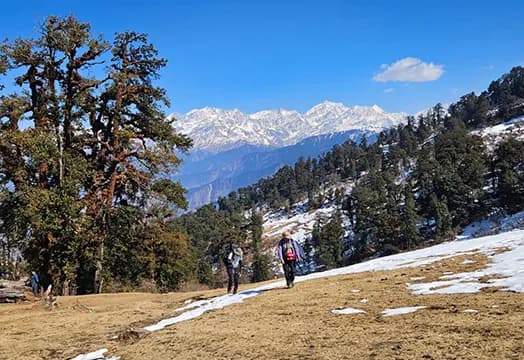
17 Mar 2026
17th March Weather Update: The Weather is All Sunny Except in Pangarchulla, Kedarkantha and Kuari Pass
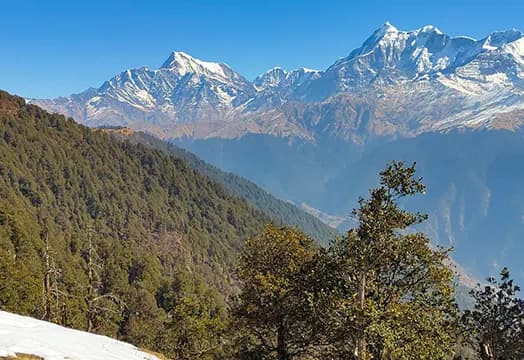
16 Mar 2026
16th March Weather Update: It All Sunny Today After Yesterday’s Fresh Snowfall in the Himalayas
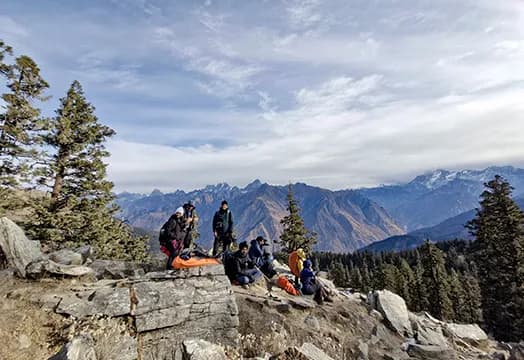
14 Mar 2026
14th March Weather Update: Mixed Weather Conditions Across Himalayan Trekking Routes
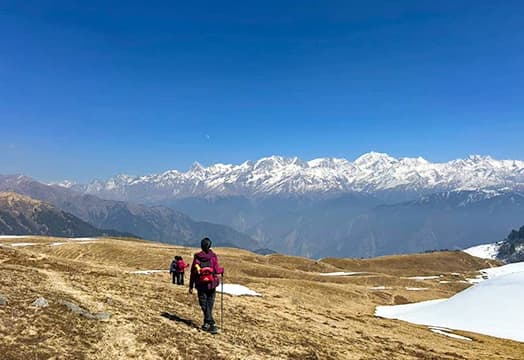
13 Mar 2026
13th March Weather Update: The Sky Across all Trekking Regions is Bright and Sunny
09 Mar 2026
09th March Weather Update: The sky across all trekking regions is still Sunny, except for the Sandakphu Trek
07 Mar 2026
7th March Weather Update: The sky in all the trekking regions is all Bright and Sunny except for the Sandakphu Trek
06 Mar 2026
6th March Weather Update: All the trekking regions across the Himalayas are experiencing Sunny Weather
05 Mar 2026
5th March Weather Update: Sunny Weather Continues to Sweep the Himalayan Trails
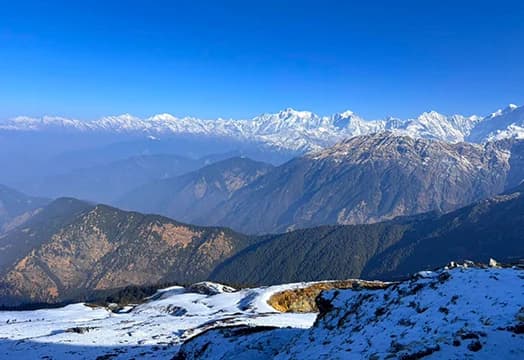
03 Mar 2026
3rd March Weather Update: New batches of Chopta, Dayara Bugyal, Sandakphu and Kuari Pass has begin
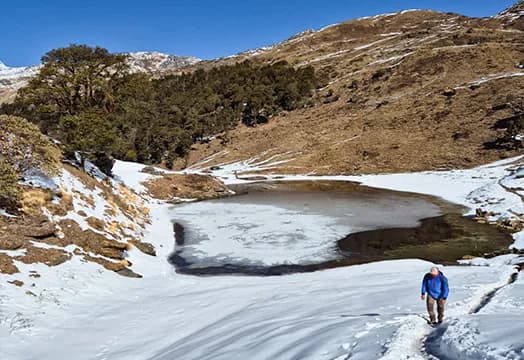
02 Mar 2026
2nd March Weather Update: New batches of Chopta, Dayara Bugyal, Sandakphu and Kuari Pass has begin
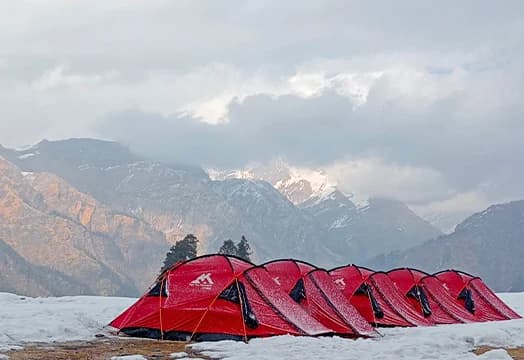
27 Feb 2026
27th February Weather Update: All the Trekking Regions Are Experiencing Quite a Cloudy Weather Today
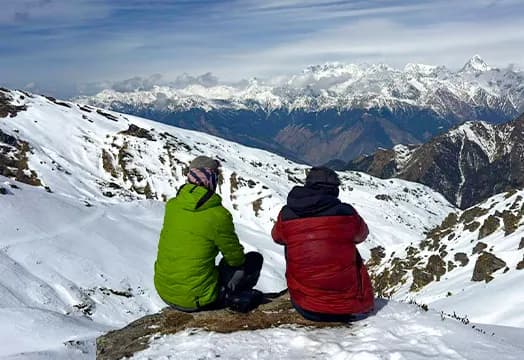
28 Feb 2026
28th February Weather Update: Mixed Conditions are Prevailing Across the Himalayan Trails
26 Feb 2026
26th February Weather Update: All the Batches Are Experiencing Sunny Weather Except Sandakphu
25 Feb 2026
25th February Weather Update: All the Batches of Every Trek Are Running as Per Schedule
24 Feb 2026
24th February Weather Update: It’s Completely Bright and Sunny in All the Trekking Regions
23 Feb 2026
23rd February Weather Update: New Batch of Brahmatal, Kuari Pass, and Chopta 3-day Begins
%20(1).webp&w=3840&q=75&dpl=dpl_6MVDU9JjdT5Q5bJi6Kzd61XoYbWB)
21 Feb 2026
21st February Weather Update: New Batch of Brahmatal, Nag Tibba, and Gulabi Kantha Begins
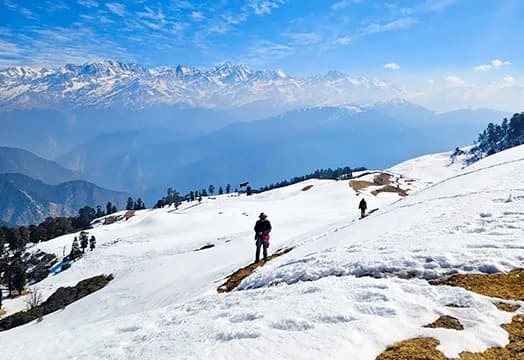
20 Feb 2026
20th February Weather Update: New Batch of Chopta, Brahmatal, and Dayara Bugyal Begins
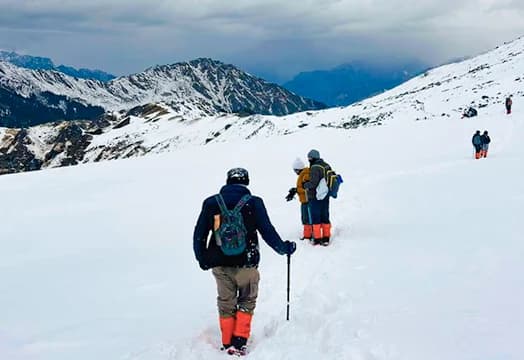
19 Feb 2026
19th February Weather Update: Light snowfall has graced the Brahmatal region
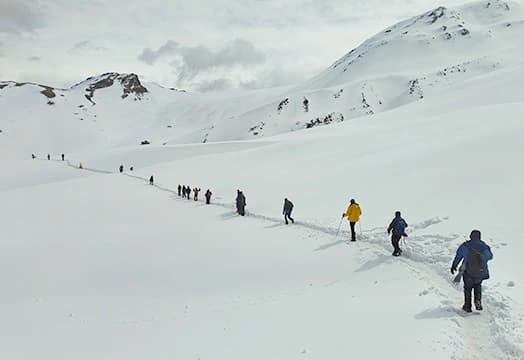
18 Feb 2026
18th Feb Weather Update: Once Again, the Sky Has Turned All Cloudy in all the Trekking Regions
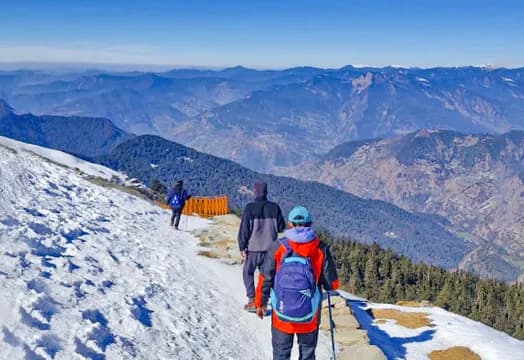
17 Feb 2026
17th February Weather Update: All the Trekking Regions Are Experiencing Sunny Atmosphere
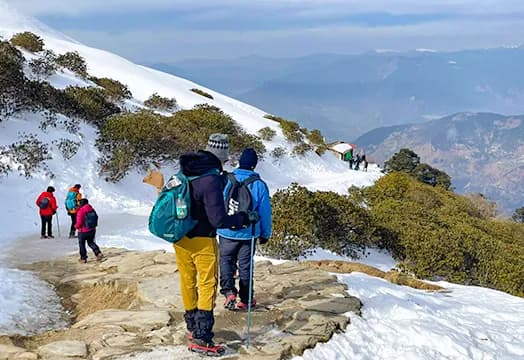
16 Feb 2026
16th February Weather Update: New batch of Kuari Pass, Dayara Bugyal, and Sandakphu begins
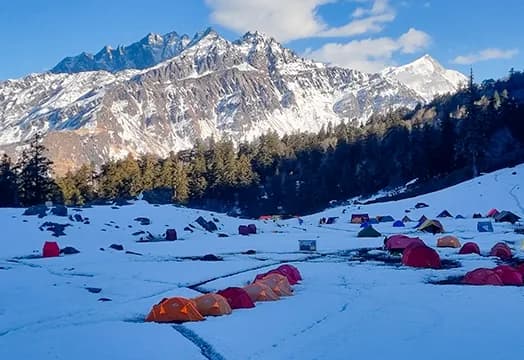
14 Feb 2026
14th February Weather Update: Sunny Conditions Across All the Regions of Uttarakhand
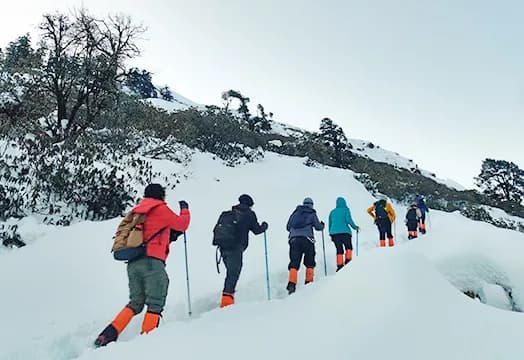
13 Feb 2026
13th Feb 2026 Trek Update: the Sky of All the Trekking Regions Has Turned Cloudy
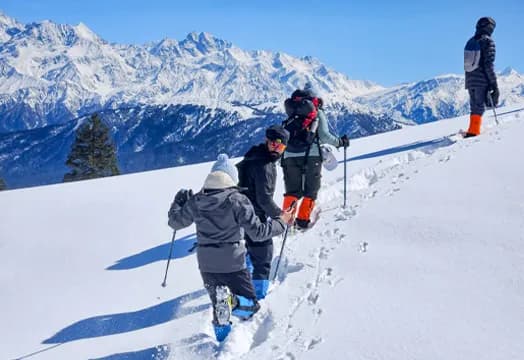
12 Feb 2026
12th Feb 2026 Trek Update: All the Treks Are Running as Per Schedule
11 Feb 2026
11th Feb 2026, Trek Update: All the treks of Uttarakhand and North - East are running as per schedule
10 Feb 2026
10th Feb 2026, Trek Update: The Weather In All The Regions Has Turned 'Bright And Sunny'
09 Feb 2026
9th Feb 2026, Trek Update—New batches of Dayara Bugyal and Chopta begin
07 Feb 2026
7th Feb 2026, Trek Update—New batches of Nag Tibba, Gulabi Kantha, and Brahmatal begin
06 Feb 2026
Feb 6th 2026, Trek Update- New batches of Kuari Pass, Chopta, Kedarkanth, and Brahmatal Begins
05 Feb 2026
5th Feb 2026, Trek Update- All The Treks Are Running As Per Schedule
04 Feb 2026
Feb 4th 2026, Trek Update- It’s All Sunny Again: Perfect Weather to Trek in the Himalayas
03 Feb 2026
February 3rd 2026, Trek Update: Cloudy Weather Has Taken Over In Various Trekking Regions
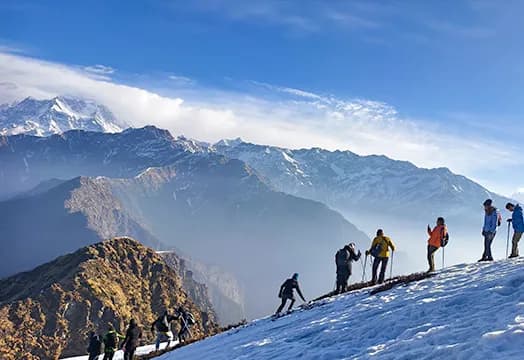
02 Feb 2026
2nd February 2026, Trek Update: Sunny Weather Reigns Across the Himalayas Treks
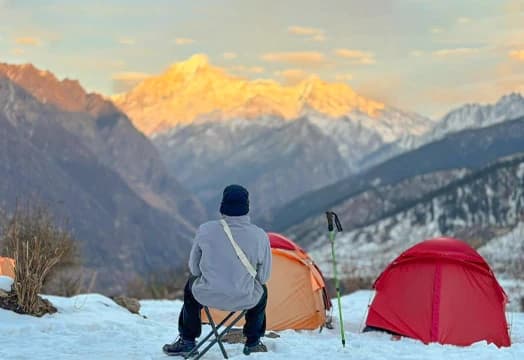
31 Jan 2026
31st January, 2026 - Trek Update: New Batch of Kuari Pass, Nag Tibba, and Sandakphu has begun
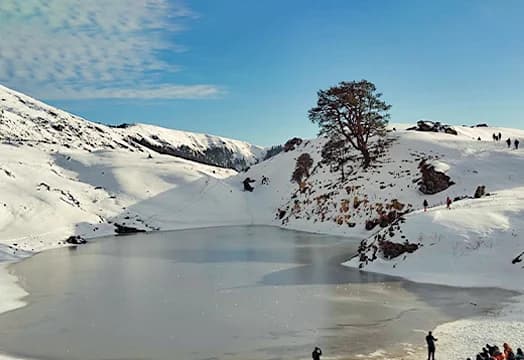
30 Jan 2026
30th January, 2026 - Trek Update: All The Treks Are Running As Per Schedule
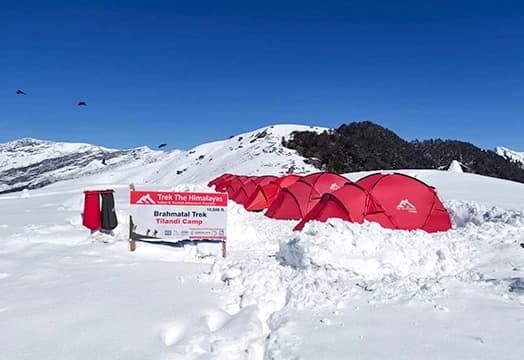
29 Jan 2026
29th January, 2026 - Trek Update: Treks Are Experienced Memorable Snowfall
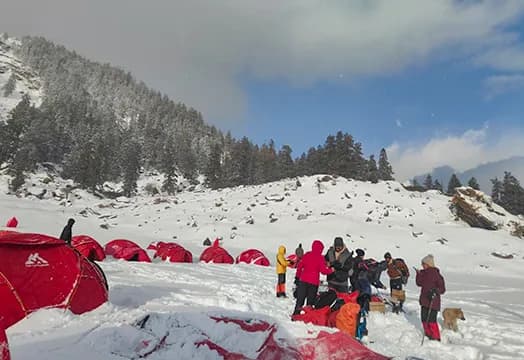
28 Jan 2026
28th January, 2026 - Trek Update: All The Trekking Regions Experienced Fresh Snowfall Yesterday
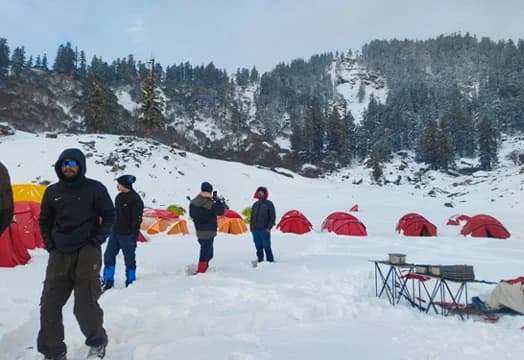
27 Jan 2026
27th January, 2026 - Trek Update: Fresh Snowfall Has Graced All The Trekking Regions Once Again
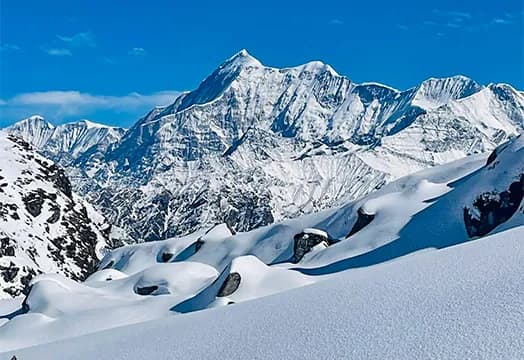
24 Jan 2026
24th January, 2026 - Trek Update: New Batches Begins of Dayara, Kedarkantha & Kuari Pass
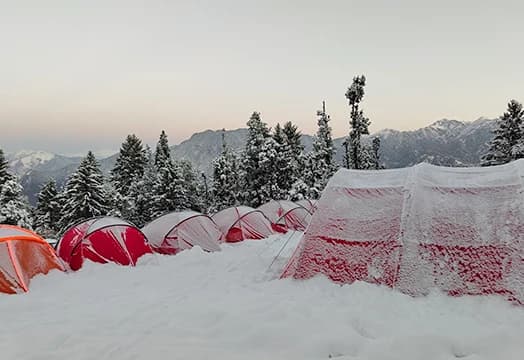
23 Jan 2026
23rd January, 2026 - Trek Update: Fresh Snowfall Blankets a Few Treks in Uttarakhand
22 Jan 2026
22nd January, 2026 - Weather & Trek Update: New batch of Dayara Bugyal Trek Begins
21 Jan 2026
21st January, 2026 - Trek Update: New Batch of Kuari Pass and Kedarkantha Trek Begins
20 Jan 2026
20th January, 2026 - Trek Update: New Batch of Kuari Pass, and Dayara Bugyal Trek Begins
19 Jan 2026
January 19th, 2026 - Trek & Weather Update: New Batch of Kuari Pass, Kedarkantha, Chopta, and Sandakphu Begins
16 Jan 2026
January 16th, 2026 - Trek & Weather Update: New Customized Batch of Chopta Chandrashila Begins
15 Jan 2026
January 15th, 2026 - Trek & Weather Update: New Batches of Chopta Chandrashila and Winter Kuari Pass Begins
14 Jan 2026
January 14th, 2026 - Trek & Weather Update: New Batch of Dayara Bugyal Kicks Off
21 Mar 2026
January 12th, 2026 - Trek & Weather Update: Mount Kilimanjaro 2026 Batch kicks off
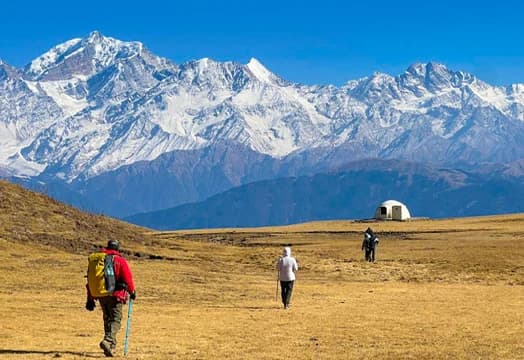
10 Jan 2026
10th January, 2026 - Trek & Weather Update: New batches of Kuari Pass, Brahmatal and Kedarkantha Trek has Begun
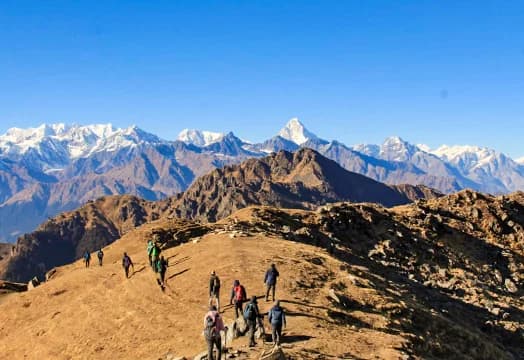
09 Jan 2026
January 9th, 2026 - Trek Update: New Batches of Brahmatal, 3-day Chopta Chandrashila, and Sandakphu have begun
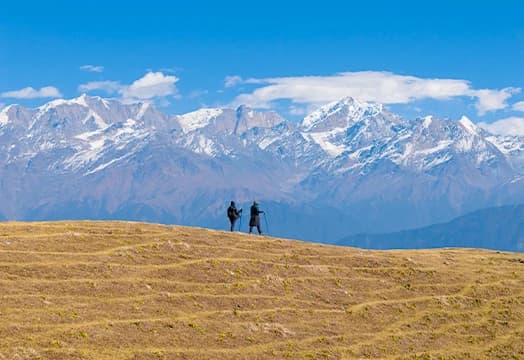
07 Jan 2026
January 7th, 2026 - Trek & Weather Update: New Batches of Brahmatal, Dayara, and Sandakphu have begun
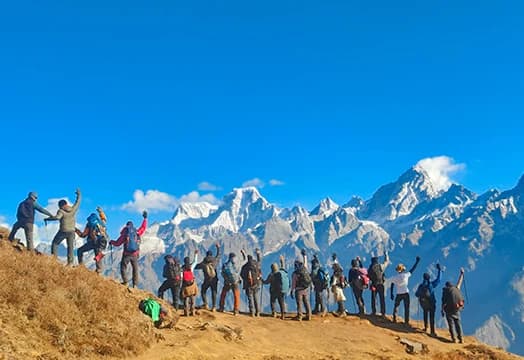
08 Jan 2026
January 8th, 2026 - Trek Update: New Batches of Brahmatal, 3-day Chopta Chandrashila, and Sandakphu have begun
13 Jan 2026
13th January, 2026 - Trek & Weather Update: New Batch of Winter Kuari Pass and Dayara Bugyal has begun
06 Jan 2026
January 6th, 2026 - Trek & Weather Update: New Batches of Kuari Pass, Dayara, and Kedarkantha Begin
05 Jan 2026
January 5th, 2026 - Trek & Weather Update: New Batches of Kuari Pass, Dayara, and Kedarkantha Begin
03 Jan 2026
January 3rd, 2026 - Trek & Weather Update: Kuari Pass, Dayara, Sandakphu, and Kedarkantha Trek
02 Jan 2026
January 2nd, 2026 - Trek & Weather Update: Kedarkantha & Kuari Pass has Finally Experienced a Little Snowfall
01 Jan 2026
January 1st, 2026 - Trek Update : Batches of Chopta, Dayara, and Sandakphu are on Schedule
31 Dec 2025
31st December Weather & Trek Update: Batches of Chopta, Dayara, and Sandakphu are on Schedule
30 Dec 2025
December 30th, 2025 - Trek Update : New batches of Chopta, Dayara, and Sandakphu have begun
29 Dec 2025
December 29th, 2025 - Trek Update : A New Mount Kilimanjaro Batch Begins
27 Dec 2025
December 27, 2025 - Trek Update: Kuari Pass, Dayara Bugyal, Chopta and Sandakphu Trek
26 Dec 2025
December 26, 2025 - Trek Update: Kuari Pass, Kedarkantha, Chopta, and Sandakphu Trek
24 Dec 2025
December 24th, 2025 - Trek Update: Dayara, Panwali, and Sandakphu Trek
25 Dec 2025
December 25, 2025 - Trek Update: Kuari Pass, Kedarkantha, Chopta and Sandakphu Trek
23 Dec 2025
December 23rd, 2025 - Trek Update: Brahmatal, Chopta, Panwali, and Gulabi Kantha Trek
22 Dec 2025
December 22, 2025 - Trek Update: Brahmatal, Chopta, Panwali and Gulabi Kantha Trek
17 Jan 2026
January 17th, 2026 - Trek & Weather Update: New Batch of Kuari Pass and Brahmatal Begins
18 Dec 2025
December 18, 2025 - Trek Update: New Batches of Kuari Pass, Brahmatal, and Chopta Begins
19 Dec 2025
December 19, 2025 - Trek Update: Kedarkantha, Kuari Pass, Brahmatal, and Sandakphu Trek
17 Dec 2025
December 17, 2025 - Trek Update: Kedarkantha, Kuari Pass, Brahmatal, and Sandakphu Trek
16 Dec 2025
December 16, 2025 - Trek Update: Kuari Pass, Chopta, Kedarkantha and Sandakphu Trek
15 Dec 2025
December 15, 2025 - Trek Update: Kedarkantha, Kuari Pass, Brahmatal and SandakphuTrek
13 Dec 2025
December 13, 2025 - Trek Update: Brahmatal, Kuari Pass, Kedarkantha, and SandakphuTrek
11 Dec 2025
December 11, 2025 - Trek Update: Kuari Pass, Chopta, Kedarkantha, and Bajre Dara Trek
21 Mar 2026
December 10, 2025 - Trek Update: Kedarkantha, Chopta, Brahmatal and Sandakphu Trek
09 Dec 2025
December 09, 2025 - Trek Update: Kedarkantha, Kuari Pass, and Dayara Trek
08 Dec 2025
December 08, 2025 - Trek Update: Kedarkantha, Kuari Pass, Dayara and Brahmatal Trek
06 Dec 2025
December 06, 2025 - Trek Update: Sandakphu, Brahmatal, Dayara Bugyal, Kuari Pass Trek
05 Dec 2025
December 05, 2025 - Trek Update: Kedarkantha, Kuari Pass, Dayara and Brahmatal Trek
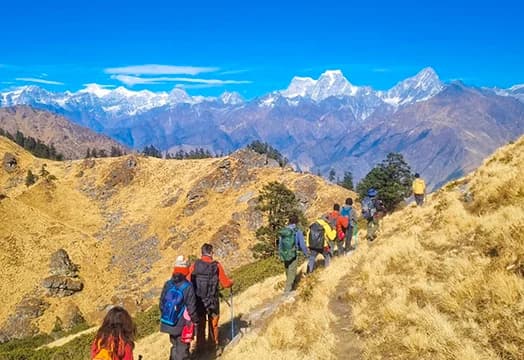
04 Dec 2025
December 04, 2025 - Trek Update: Chopta, Kuari Pass, Kedarkantha and Sandakphu Trek
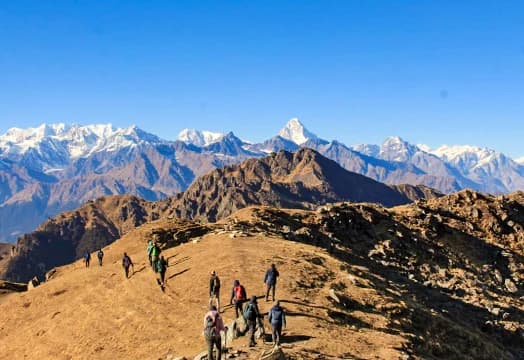
03 Dec 2025
December 03, 2025, Trek Update: Kuari Pass, Dayara, Sandakphu, and Kedarkantha Trek
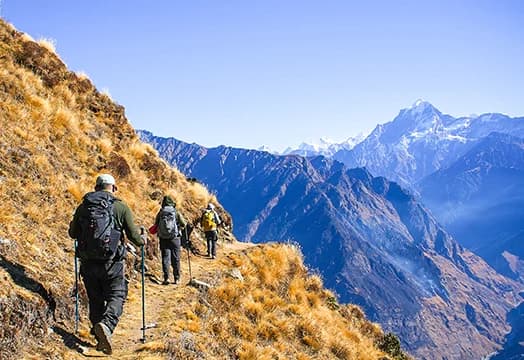
02 Dec 2025
December 02, 2025, Trek Update: Kedarkantha, Kuari Pass, Brahmatal and Sandakphu Trek
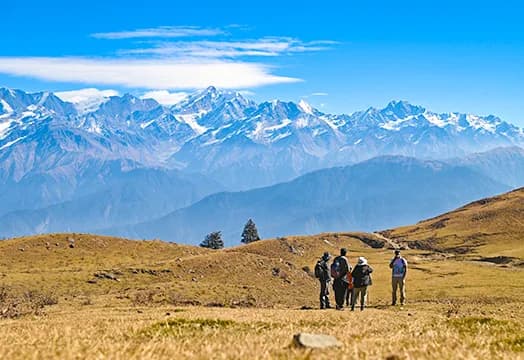
01 Dec 2025
December 01, 2025, Trek Update: Kuari Pass, Dayara, Sandakphu, and Kedarkantha Trek
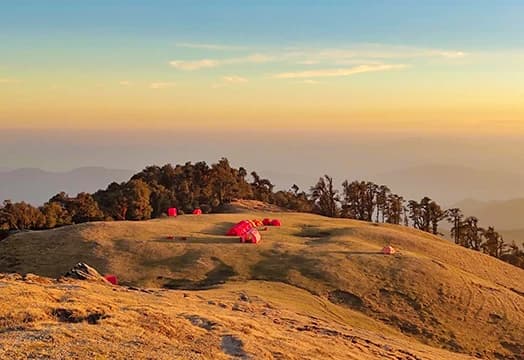
28 Nov 2025
November 28, 2025, Trek Update: Kedarkantha, Chopta, Dayara, and Kuari Pass Trek
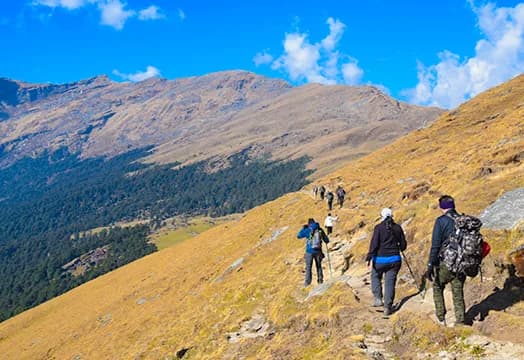
21 Nov 2025
November 21, 2025, Trek Update: Kuari Pass, Surya Top, Dayara, and Kedarkantha Trek
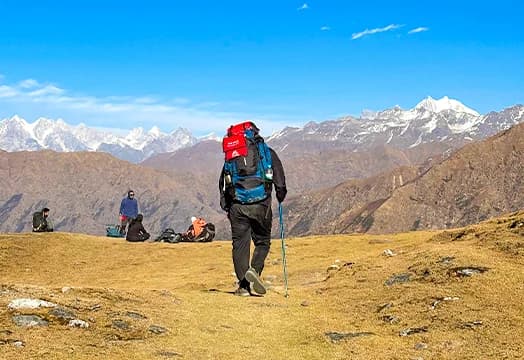
20 Nov 2025
November 20, 2025, Trek Update: Kedarkantha, Kuari Pass, Surya, and Sandakphu Trek
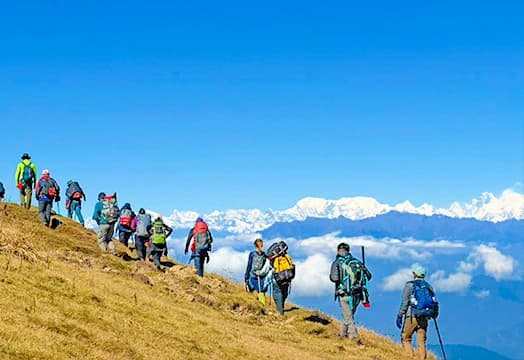
19 Nov 2025
November 19, 2025, Trek Update: Kedarkantha, Surya Top, Dayara, and Sandakphu Trek
18 Nov 2025
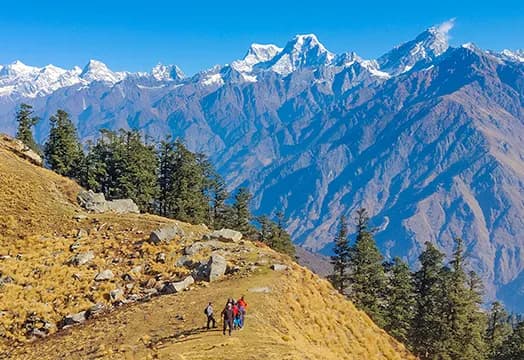
November 18, 2025, Trek Update: Kuari Pass, Chopta, and Sandakphu Trek
17 Nov 2025
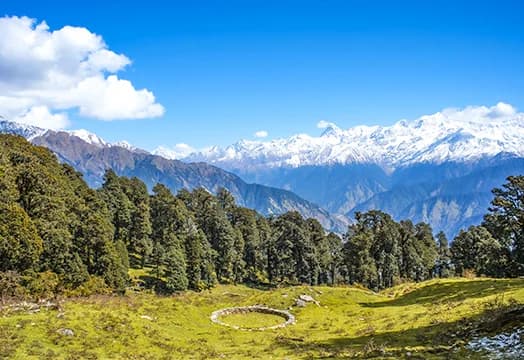
November 17, 2025, Trek Update: New Batch of Har Ki Dun, Chopta, Sandakphu, and Others Begins From Today
.webp&w=3840&q=75&dpl=dpl_6MVDU9JjdT5Q5bJi6Kzd61XoYbWB)
15 Nov 2025
November 15, 2025, Trek Update: New Batch of Winter Kuari Pass, Chopta, Kedarkantha, and Others Begins From Today
14 Nov 2025
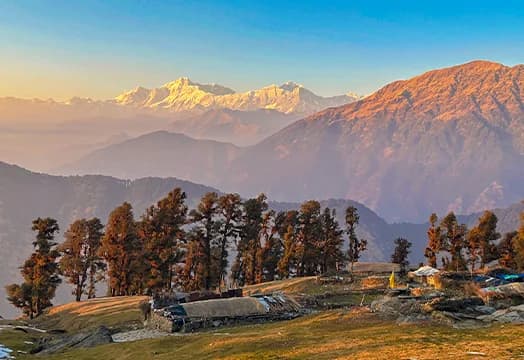
November 14, 2025 - Trek Update: Kedarkantha, Dayara Bugyal, and Chopta
13 Nov 2025
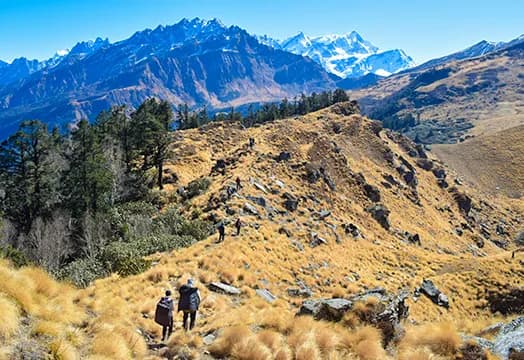
November 13, 2025 Trek Update: Kedarkantha, Ali Bedni, Sandakphu, Everest Base Camp
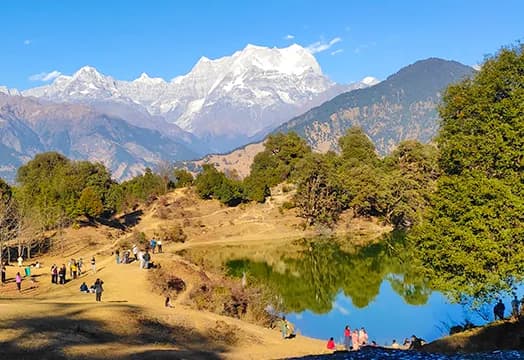
12 Nov 2025
November 12, 2025 – Trek Update: Goechala, Kedarkantha, Kuari Pass, Everest Base Camp
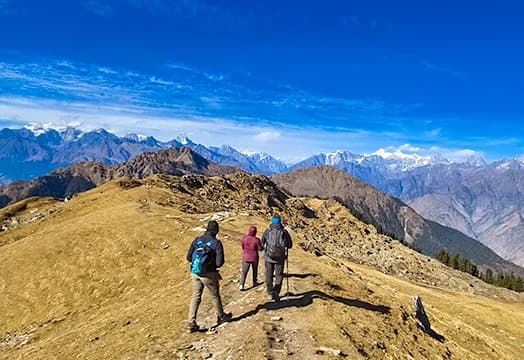
11 Nov 2025
November 11, 2025 - Trek Update: Kuari Pass, Kedarkantha, Goechala, Everest Base Camp
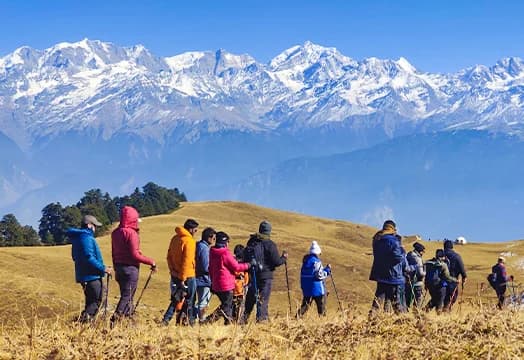
10 Nov 2025
November 10, 2025 – Trek Update: Kuari Pass, Chopta, Dayara Bugyal, Ali Bedni Bugyal, Kedarkantha
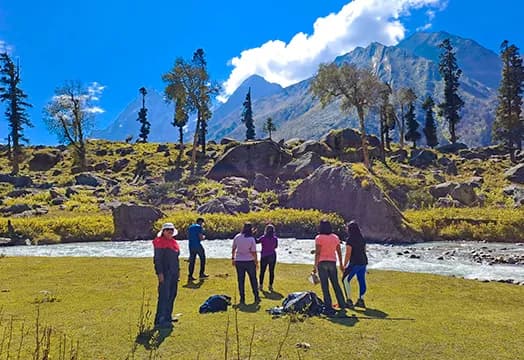
07 Nov 2025
Latest Weather Update for the Treks - November 7, 2025
06 Nov 2025
Latest Weather Update for the Treks - November 6, 2025
05 Nov 2025
Latest Weather Update for the Treks - November 5, 2025
04 Nov 2025
Latest Weather Update for the Treks - November 4, 2025
.webp&w=3840&q=75&dpl=dpl_6MVDU9JjdT5Q5bJi6Kzd61XoYbWB)
03 Nov 2025
Latest Weather Update for the Treks - November 3, 2025
30 Oct 2025
Latest Weather Update for the Treks - October 30, 2025
29 Oct 2025
Latest Weather Update for the Treks - October 29, 2025
28 Oct 2025
Latest Weather Update for the Treks - October 28, 2025
18 Oct 2025
First batch of the season for the Manaslu Circuit Trek (October 4th–17th) successfully completed
08 Oct 2025
Excitement Running Wild: Season’s First Batches Successfully Completed
28 Sept 2025
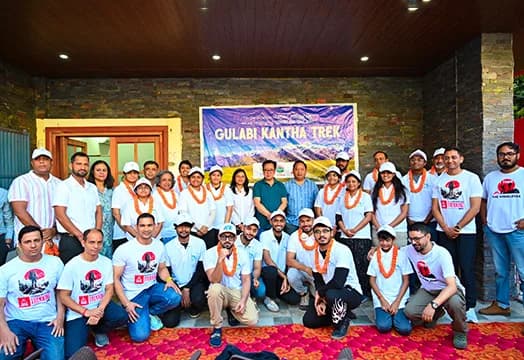
Gulabi Kantha Trek Flagged Off as ‘Trek of the Year 2025’ by Trek The Himalayas and Uttarakhand Tourism
11 Sept 2025
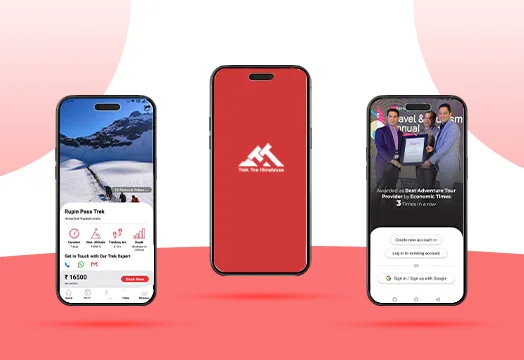
Trekking Just Got Easier: Download our Trek the Himalayas Mobile App
13 Sept 2025
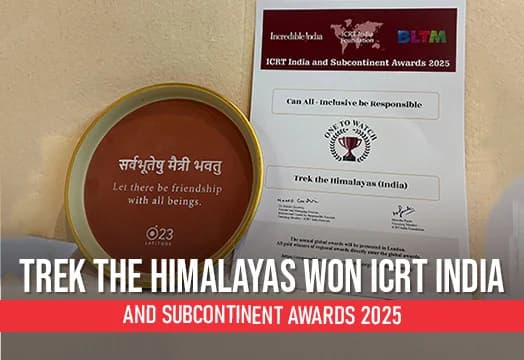
Trek The Himalayas Won ICRT India and Subcontinent Awards 2025
06 Oct 2025
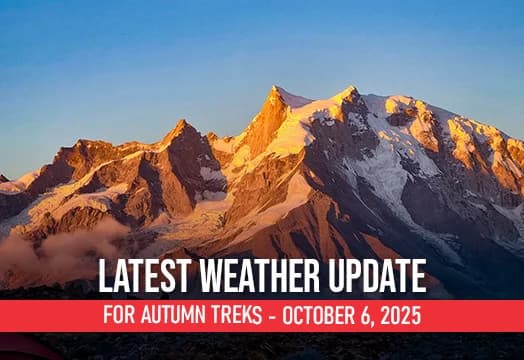
Latest Weather Update for Autumn Treks - October 6, 2025
27 Sept 2025
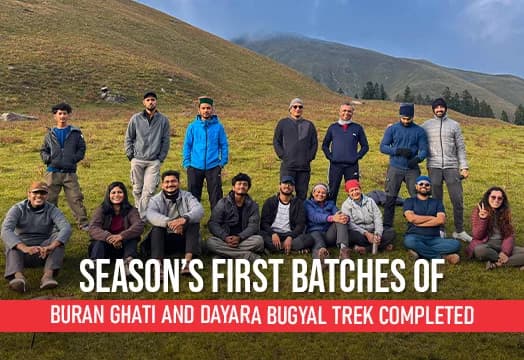
Buran Ghati and Dayara Bugyal Trek Update of Autumn 2025
.webp&w=3840&q=75&dpl=dpl_6MVDU9JjdT5Q5bJi6Kzd61XoYbWB)
07 Oct 2025
Trek Weather Update, October 7, 2025
23 Sept 2025
Latest Weather Update for Autumn Treks - September 23, 2025
17 Sept 2025
Latest Weather Update for Autumn Treks - September 17, 2025
.webp&w=3840&q=75&dpl=dpl_6MVDU9JjdT5Q5bJi6Kzd61XoYbWB)
15 Sept 2025
Latest Weather Update for Trekkers - September 15, 2025
30 Jul 2025
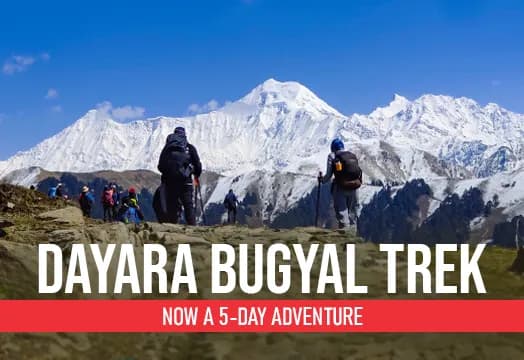
Dayara Bugyal Trek is now a 5-Day Adventure
.webp&w=3840&q=75&dpl=dpl_6MVDU9JjdT5Q5bJi6Kzd61XoYbWB)
15 May 2025
Season’s First Batch of Gaumukh Tapovan Completed Successfully
09 Sept 2025
Trek the Himalayas and IRCTC Tourism Join Hands
04 Aug 2025
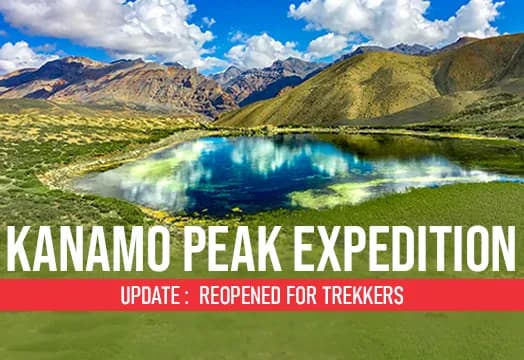
Kanamo Peak Expedition- Update
11 Jun 2025
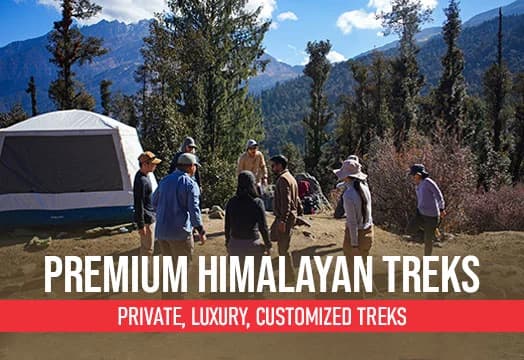
Premium Treks with TTH: Your Himalayan Adventure, Your Way!
01 Apr 2025
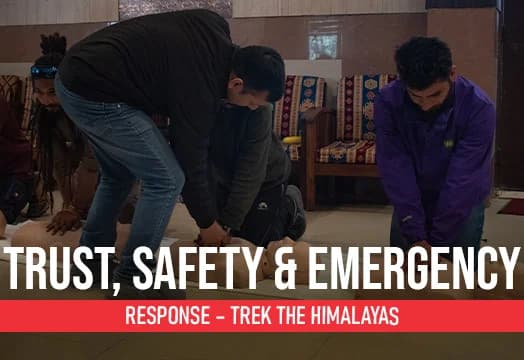
Trust, Safety & Emergency Response – Trek The Himalayas
22 Aug 2024
Stargazing with Telescopes – A Journey beyond the Mountains
23 Nov 2023
Why Choose Trek The Himalayas for Your Trekking Adventures

24 Mar 2025
Trek The Himalayas Hatrick at Himalayan Tourism Samman Samahroh
14 Feb 2025
Kailash Mansarovar Yatra- A Journey of Devotion & Serenity
Trekking Guides
Tips and insights for every trekker.
Trek to the Holy Glaciers: Gaumukh Tapovan Trek Highlights
There are, and there will be, countless journeys that you will go on throughout your lifetime, but only a few of them are going to stay close to your heart, and one of them will be the ‘Gaumukh Tapovan Trek’. A journey that will not only challenge your body, but it will also touch your soul. This 8-day journey will take you to the Garhwal region of Uttarkashi, where you will experience both adventure and spirituality in the mountains and gain a sense of peace in solitude.
5 Reasons Why Rupin Pass Should be Your Next Trek?
Just like some heartwarming movies you keep rewatching, there are places you hope to visit every once in a while. Those places have their own magic that can’t be expressed in words but can only be felt while being there. So, to give you a similar kind of experience, we have a place to recommend for you all.
Why We Never Let Trekkers Go Without Trekking Poles — And You Shouldn’t Either
Walking on the rugged, unknown terrain of the mountains is one of those few experiences that makes you feel very different yet calming inside. But to achieve that feeling, not only do you have to plan a trip to the mountain, you are also supposed to carry gear and other things that are important for trekking.
From Beginner to Challenging: Your Complete Guide to Expedition Grades
Standing at the base of any mountain, while staring at the peak of that mountain. A lot is felt by a trekker, from feeling stunned, admiration, to a quick rush of adrenaline, to scared, and then self-doubting yourself, asking - Can I really do this? When a trekker starts climbing a mountain, it’s not just always about claiming the peak. Often, trekking is more about learning and getting to know the mountains. After getting familiar with the mountains, you start understanding the challenges the mountains carry within themselves, and then you start ascending accordingly.
The Ultimate Guide to Expedition Grades and Techniques
In general, trekking in the mountains is always categorised as either climbing or walking on the mountain trails. But what a lot of people don’t realise is that with each different grade of expedition, the techniques of climbing and walking on the mountains also change. The thing is that to climb some high grade of mountains, more than basic skills and techniques of climbing are required to learn. In fact, the ‘technical climbing’? It is not just for high-grade level mountain expeditions; this kind of technical knowledge is quite useful even in the easy graded expedition to ensure the safety of the trekker throughout their trek.
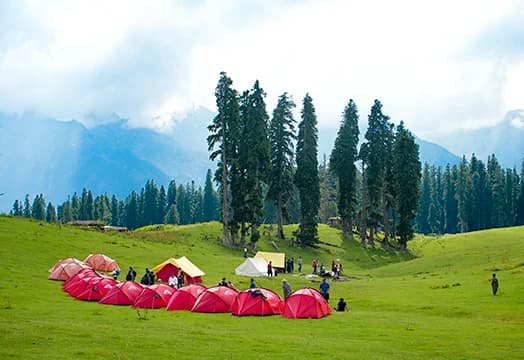
Why You Should Choose Trek the Himalayas Over Other Trekking Companies
Planning a trip is not an easy task, and when it comes to the mountains, a lot of factors need to be considered from a trekker's perspective. And when you are surrounded by all the hustle and bustle of life, planning a trip seems like too much work, right? Well, that’s exactly where trekking companies come into the picture. From booking to planning and ensuring that you receive a once-in-a-lifetime Himalayan experience, they make sure to make all these things happen. Now, after deciding that you want a trekking company to plan your trek, it’s time for you to pick the best trekking company in India to curate the itinerary for you. See, in today’s time, there are so many trekking companies out there who are ready to plan, manage, and guide you at every step of your journey, but who is best among them? That’s the real question. As a trekker, you might have thought several times, " Which company will truly help you out to become prepared for the Himalayas? Will they keep safety, food, and things like hygiene as their priority? Or if you are a female trekker, will it be safe and comfortable for you to trek with them or not?” And so on. These are exactly those points that draw a true comparison between Trek The Himalayas (TTH) and other trekking companies, viewing things from a trekker’s lens.
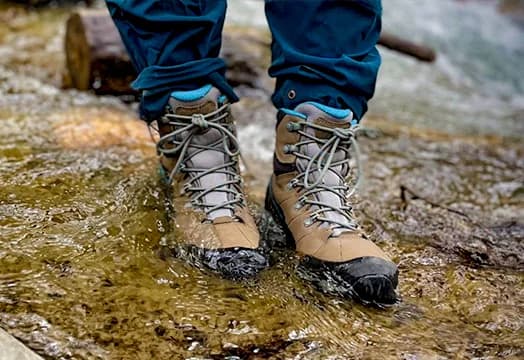
Your Ultimate Trekking Shoes Guide to Trek the Himalayas
There is one question that every trek leader asks their trekkers when they first meet them: Do they really understand the importance of trekking shoes for their trek? And usually, trekkers answer that they protect their feet, which is true. But do trekking shoes really help your feet in just “protection” and nothing else? Well, that is exactly what our trek leader (name) is going to enlighten us all about. First and foremost, it's essential to understand that trekking shoes are the foundation of a good trekking experience. If you are not carrying good quality shoes, then no matter how confident, strong, or motivated you are. You are bound to slip or slow down while walking on your trek. And as someone who has spent years climbing up and down the Himalayan trail several times. There is one thing that he said with complete certainty: The right trekking shoes can make or break your trek.
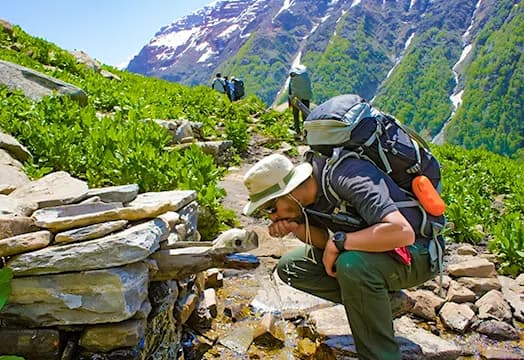
Hydration Can Make or Break Your Trek: Trek Leader’s Tips for Every Season
The main highlight of any trek journey will always be either the places you get to explore or the views that you will get to witness only once in your life. But to explore and experience all that scenic beauty, you must remain safe and healthy, which can be possible only if you do the proper intake of nutrients, and most importantly, of all consume water in a perfectly adequate amount. It’s an obvious yet the most ignored fact that Hydration is very important for trekking, it’s like the backbone of the whole trip. Which is why every trek leader’s first question at the start or end of their trek is - How much water did you drink today? Half of the time, the pattern of the answer remains the same, where some of them just give sheepy smiles, some tell numbers but are in doubt, and some of them have no idea whether they have drunk it at all or not.
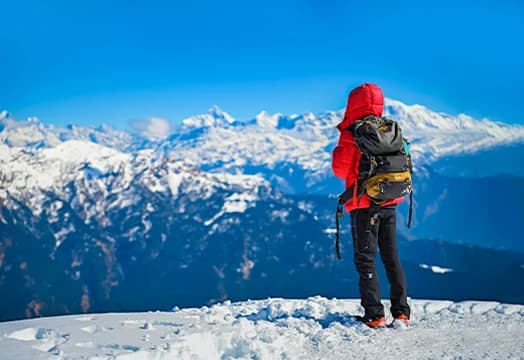
Pro Tips to Defeat the Winter Cold: Essential Guide by Trek Leader
Every year, hundreds of trekkers go on a winter trek specifically to enjoy and witness the snow-covered landscapes, stunning panoramic mountain views, and experience the serene beauty of nature. However, as they focus more on the enjoyment aspect of their journey, they sometimes overlook small details while preparing for their winter trek adventure. And the most missed details by trekkers are - not equipping themselves properly with winter trekking essentials, which will help them in staying warm during a winter trek. I mean, we all know that cold never suddenly comes in; it slowly starts creeping into the weather. When you are wearing your socks, at first you will feel chills in your body, then when you stop moving, a warmth will settle, and as you keep progressing in your trek, you will also start feeling colder. In one moment, you’re admiring frost-covered tree views, and in the other, you will be wondering why your fingers have started feeling numb suddenly despite wearing gloves.
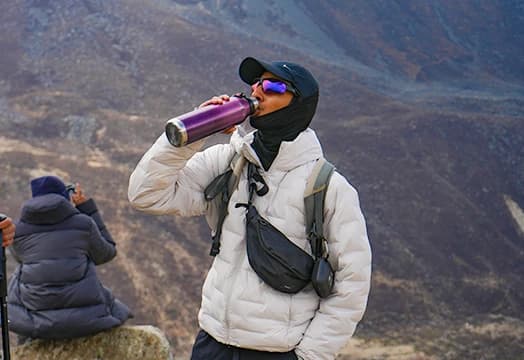
Essential Tips for Staying Hydrated on Winter Treks
Hydration plays a vital role in ensuring a safe and successful Himalayan trek. Whether you're adjusting to altitude or braving cold winter conditions, staying hydrated is key to maintaining physical performance, cognitive function, and overall well-being. Dehydration can lead to muscle cramps, cognitive impairment, and increased risk of altitude sickness, among other issues. In winter treks, hydration challenges such as reduced thirst, freezing water sources, and respiratory fluid loss become prominent. This article explores the importance of hydration, tips for staying hydrated in winter treks, and practical strategies like using insulated water bottles, monitoring fluid intake, and balancing electrolytes to ensure an enjoyable, well-hydrated trek.
Subscribe to our newsletter
and receive weekly fresh articles on your favourite topics