

Langtang Kyanjin Gompa Trek
Langtang Kyanjin Gompa Trek
Kathmandu

Location
Kathmandu

Duration
10 days

Max Altitude
16400 ft

Trekking
82 km

Grade
Moderate
Get in Touch with Our Trek Expert
Monday–Saturday: 10 AM to 06 PM (GMT +5:30)
Location
Kathmandu
Duration
10 days
Max Altitude
16400 ft
Trekking km
82 km
Grade
Moderate
Get in Touch with Our Trek Expert
Monday–Saturday: 10 AM to 06 PM (GMT +5:30)
Overview
Special Offer
Why is Langtang Kyanjin Gompa a Must-Do Trek?
- Langtang Kyanjin Gompa Trek is a destination that combines exquisite mountain views, cultural richness, exciting adventure, and emotional solitude. It offers a rare and authentic Himalayan experience that is completely free from the turmoil of city life.
- The scenic mountain drive along the Trishuli River is as breathtaking as it gets, while the terraced fields and rural Nepali villages look incredible. After some time on this drive, you will get the first glimpse of the Ganesh Himal Range.
- The trek passes through one of the richest treasure troves of biodiversity – Langtang National Park. From an overlook, the dense forests of this region appear raw and teeming with exotic life.
- One of the most obvious reasons to do this trek is that you are surrounded by towering Himalayan peaks that feel dramatically close. Standing at a remarkable altitude of 7,227 meters (23710 feet), the Langtang Lirung peak dominates the skyline.
- This trek is among those few Himalayan destinations that offer glacial valley walks. Not only that, the high-altitude Yak pastures and stone shelters will lure you away.
- The sunrise and sunset views look absolutely mesmerizing from various viewpoints along the trail. When the first rays of morning sun strike gently, the peaks and glaciers get bathed in golden hues.
- Being located in the far reaches of Nepal Himalayas, Langtang Kyanjin Gompa receives fewer crowds than Everest and Annapurna. The trail is so peaceful that you can walk for long stretches without ever encountering many people. With this amazing quietness, you can hear streams gushing below and the breeze blowing past you.
- One of the most breathtaking attributes of this trek is the way the landscapes change so dramatically. At one instance, you are in the midst of lush forests, while on the other instance, you are crossing suspension bridges erected over turbulent streams. At one moment, you enter beautiful valleys, while at another moment, you find yourself near glacial basins.
- Another major advantage of doing this trek is that it offers a less-explored wilderness yet is accessible without going through unnecessary hassles. The drive is comfortable, and within hours, you enter stunning mountain terrain.
Key Attractions of Langtang Kyanjin Gompa Trek
While Nepal is prominently known worldwide for the mighty Everest and Annapurna, the Langtang Kyanjin Gompa Trek offers just as raw a beauty of nature, if not more. These rare attractions are so rewarding that they need to be brought to the attention of nature lovers worldwide.
- Kyanjin Gompa: A Peaceful Refuge to Spirituality
There are very few places in Nepal that reflect the true spiritual essence of the land and culture. Kyanjin Gompa is at the heart of it, which is an extremely serene Buddhist monastery surrounded by beautiful mountains. It has deep historical significance as it showcases Tibetan-influenced culture through spinning prayer wheels, Mani walls, and monks devoted to traditional rituals. The environment of this place is so tranquil and peaceful that many travelers have felt that it slows time for a bit and provides a fulfilling clarity. As this age-old structure sits quietly beneath overwhelming mountains, the spiritual calmness of it adds an element of sacredness to the atmosphere as well. - Panoramic Vistas of Himalayan Peaks
The Langtang Kyanjin Gompa Trek leads you to some of the most breathtaking and compelling peaks, giving your senses a rare visual treat. The Langtang Lirung Peak, for example, rises to a whopping altitude of 7,227 meters and appears standing almost vertically above the valley. Unlike other Himalayan treks, the summits here loom right above you, giving you an understanding of the enormity of nature. Furthermore, when you are surrounded constantly by these giants, you wonder about your place within this grand scheme of nature. - Home of Tamang Culture
The Langtang region is traditionally and ethnically rich in Tamang culture. It is home to Tamang people who have been living here with strong Tibetan roots. You will be surprised and enchanted as to how intricately the spirituality is woven into their daily mundane lives. You will invariably see prayer flags fluttering on rooftops and Buddhist chants echoing softly from every house. The region has stone-built homes that feel authentic and community-driven.
Moreover, the place is also known as Buddhist Stupas (Chortens) and traditional Yak cheese factories. With a deep respect for nature, the community has a long history of being distinct in the Himalayas. - Soulful Journey through Langtang National Park
One of the most beautiful sections of this trek is the stretch that sprawls on the Langtang National Park. It’s a protected area and home to a unique Himalayan biodiversity. Also known as the “botanical garden” of Nepal with untouched flora and fauna, this place is the ideal place for wildlife photography. The breathtaking trail along this park takes you to dense forests of oak, pine, maple, and Rhododendron; and as you ascend, the vegetation changes from lush forests to alpine meadows. On a lucky day, the wildlife sightings you can witness on this trail are: Himalayan black bear, Himalayan red panda, Langurs, Monkeys, Himalayan Tahr, and colorful pheasants. The diversity of this ecosystem is so profound that every day is visually different and you feel as if you are moving through multiple worlds. - Spectacular Viewpoints: Kyanjin Ri and Tserko Ri
One of the main reasons Langtang Kyanjin attracts trekkers from across the globe is the incredible viewpoints at Kyanjin Ri and Tserko Ri. In the native dialect, “Ri” refers to a peak or hill; which is why these places are the best spots for summit views. Kyanjin Ri is located at an altitude of approximately 4,773 meters (15660 feet) and Tserko Ri 5,000 meters (16404 meters). The hike to these points is usually done on a rest/acclimatization day, which often turns out to be the highlight of this entire trek. The visually appealing peaks that are seen from here are: Dorje Lakpa (6,966 meters or 22,854 feet), Yala Peak (5,520 meters 18,110 feet), and obviously, Langtang Lirung. Additionally, watching the sunrise from these spots is an unforgettable experience. The moments like seeing the first light that touches the snow peaks are the moments that reset you from inside out. - Glaciers and Alpine Landscapes
Unlike most other treks, the fun and excitement of the expedition skyrocketed on this trek as it offers real glacial terrain. Just adjacent to Kyanjin, the Langtang Glacier is a high-altitude landscape that you will definitely enjoy exploring. On this glacier, you can walk across moraines and witness massive ice formations up close. The radiating glow of these glaciers stands perfectly in contrast with lush green, dense forests below. These alpine landscapes look absolutely wild and dramatic or this glacial environment truly feels like Himalayan amphitheater.
- Idyllic Rivers and Quaint Suspension Bridges
As the trail of this trek passes through mesmerizing locations, suspension bridges are one such defining feature. These breathtaking bridges provide thrilling and safe crossings over deep gorges, or in certain situations, navigating through dense forest sections. Even the more captivating aspect of these bridges is some of them are built over scenic glacial rivers with rushing water. It’s a unique experience when you walk through these bridges and the rhythmic sound of water below your feet feels like music.
The Revival of Langtang Valley Post 2015 Earthquake
In a catastrophic earthquake of magnitude 7.8 Richter that occurred in 2015, the Langtang Valley was ravaged almost completely. Its revival is a story of grit and resilience. Houses were devastated and forsaken due to a massive avalanche, trees were uprooted, a river wiped completely out of existence and a bridge over it got buried deep under the rubble of rocks. The Langtang National Park also suffered loss of wildlife habitat and damage to flora and fauna. The destruction was so epic that only a gloomy and desolate landscape was left behind.
Despite an enormous aftershock due to the earthquake, the locals didn’t give up; rather, started rebuilding efforts right away. They worked together to rebuild their lives and return their heritage to glory. The Langtang Village was then built all over again at a place slightly uphill. Although not to the earlier scale, its teahouses are bustling again with life. Trails have been completely restored and the routes that had been blocked by landslides and avalanches are cleared. Connectivity has improved and tourism has returned with full force. Today, the rebuilt structures and villages stand as symbols of strength, courage and resilience.
Arrival in Kathmandu
- Altitude Kathmandu: 1,310 m /4300 ft
Drive to Syabrubesi
- Altitude Syabrubesi: 1,493 m / 4,900 ft
- Drive Distance: 122 km | 7-8 hrs
Syabrubeshi to Lama Hotel
- Altitude Lama Hotel: 2,469 m / 8,100 ft
- Trek Distance: 11 km | 7 hours
Lama Hotel to Langtang Village
- Altitude Langtang Village: 3,444 m / 11,300 ft
- Trek Distance: 14 km | 7 hours
Langtang valley to Kyanjin Gompa
- Altitude Kyanjin Gompa: 3,870 m / 12,700 ft
- Trek Distance: 7 km | 4 hours
Acclimatization and Exploration – Hike to Tserko Ri
- Altitude Tserko Ri: 4,998 m / 16,400 ft
- Trek Distance: 18 km (both ways) | 10 hours
Kyanjin Gompa to Lama Hotel
- Altitude Lama Hotel: 2,469 m / 8,100 ft
- Trek Distance: 21 km | 8 hours
Lama Hotel to Syabrubeshi via Sherapagaon and Khangjim
- Altitude Syabrubesi: 1,493 m / 4,900 ft
- Trek Distance: 11 km | 6 hours
Drive from Syabrubesi to Kathmandu
- Altitude Kathmandu: 1,310 m / 4,300 ft
- Drive Distance: 122 km | 7-8 hours
Kathmandu to Delhi
- Pulse rate at rest must be in between (60 to 100 beats per minute).
- Blood Pressure Reading must be in between (DIASTOLIC 75 – 85, SYSTOLIC 100 - 130 mm Hg).
- Respiratory rate at rest must be in between (12 to 20 breaths per minute).
- Should not have Liver and kidney issues.
- Should not have Diabetes Mellitus, Bronchial Asthma, Heart problems, Hypertension, etc.
- No pacemaker implant.
- People with Sinus issues, Epilepsy please contact to trek coordinator before booking the trek.
- If your BMI is not normal, Please contact our Trek coordinator before Trek booking.
Medical & Disclaimer Form (Mandatory Documents) Click here to download Medical & Disclaimer Form
How to reach — Maps

.webp)
Pick-Up Information
- It is essential for everyone to arrive at Kathmandu (1:00 pm).
- Upon booking the trek, you are required to come to our hotel. Your trek coordinator will provide you with details such as the name of the Kathmandu hotel, its location, and the contact person's number.
Options to Reach Kathmandu
-
The best way is to fly to Kathmandu Tribhuvan International Airport, which receives airlines mostly from South-east Asia and Europe. A number of direct flights fly from Delhi, Mumbai, Kolkata, Bangalore and Varanasi to Kathmandu. Popular airlines that operate regularly are Jet Airways, Air India, IndiGo and Nepal Airlines.
-
Delhi to Kathmandu by train + bus
- Day 1: Take a train from Delhi to Gorakhpur. The Vaishali Express leaves Delhi at around 19:45 and arrives at Gorakhpur Junction at 09:10 next morning, or there's another train from New Delhi at 17:20 arriving Gorakhpur at 06:35 next morning. The fare is around Rs. 2440 (£35 or $54) in AC1, Rs. 1240 (£18 or $27) in AC2, Rs. 785 (£12 or $18) in AC3 or Rs. 315 in Sleeper Class - check current times and fares at www.indianrail.gov.in or www.irctc.co.in.
- Day 2: Take a bus or jeep from Gorakhpur to the Nepalese frontier at Sunauli (Indian side) and Bhairawa (Nepalese side, often also called Sunauli). Journey time about 3 hours, Rs. 55 (£1 or $2).
3. Walk across the frontier, it's then a few minutes’ walk to the Bhairawa bus station. Take a bus or jeep on to Kathmandu. Buses take 9 to 12 hours, cost about 120 Nepalese Rupees or 230 Indian Rupees (£1 or $2). There are many buses daily, either daytime buses leaving regularly until about 11:00 or overnight buses leaving regularly from about 16:00 until 19:00. Indian rupees may be accepted here in Bhairawa, but not further into Nepal.
4. It's also possible to travel via Varanasi An overnight train links Delhi & Varanasi. Buses link Varanasi with the Nepalese border.
For your return journey from Pokhara, you have the flexibility to choose between road or air transport options. Please note that our services extend only to the hotel, and the standard hotel check-out time is 11:00 am.
1. Accommodation (as per the itinerary):
- Day 1 and Day 13 Hotel Accommodation in 3 3-star hotel in Kathmandu
- Day 2 to Day 12 Accommodation in the Teahouse.
2. Meals (Veg + Egg):
- All meals Lukla to Lukla from Day 2 Lunch to Day 13 Breakfast
- Fresh fruit after dinner every day.
3. Support:
- 1 Versatile base camp manager handles communication and deploys extra manpower in emergencies.
- 1 Mountaineering & First aid qualified professional trek Leader.
- Local experienced guides (Number of guides depending on the group size).
- Enough support staff.
4. Trek equipment:
- Sleeping bag.
- Gaiters & Microspikes (if required).
5. First aid:
- Medical kit, Stretcher, Oxygen cylinder, Blood pressure monitor, Oximeter, Stethoscope.
6. Transportation (as per the itinerary):
- Arrival Departure Airport Transfer as per itinerary.
- Domestic airport transfers for Lukla.
- Kathmandu to Ramecchap /Lukla, and back.
7. Cloakroom facility available at the base camp for additional luggage.
8. All necessary permits and entry fees, up to the amount charged for Indian.
9. Services from Kathmandu to Kathmandu.
10. TIMS card.
11. EBC Map.
12. Farewell Dinner in Kathmandu.
13. Trek Completion Certificate
14. Trekking Kit Bag (Duffle bag if opted for Porter facility).
Trek Essentials
Cancellation Terms
To request a cancellation, please email us at info@trekthehimalayas.com using your registered email ID.
Cancellations prior to 25 days from the start of the Trip
Refund Options
- 5% deduction of trek fee
- 100% trek fee cash voucher for any trip till one year
- Transfer your trek (any trek, any date) to your friend
Cancellation between 24 days and 15 days to the start of the Trip
Refund Options
- 30% deduction of trek fee
- 100% trek fee cash voucher for same trip till one year
- 85% trek fee cash voucher for any trip till one year
- Transfer your trek (same trek, any date) to your friend
Cancellation between 14 days and 10 days to the start of the Trip
Refund Options
- 50% deduction of trek fee
- 80% trek fee cash voucher for same trip till one year
- 70% trek fee cash voucher for any trip till one year
- Book the same trek, in the same season, with any other batch
- Transfer your trek (same trek, any date) to your friend
Cancellation less than 9 days to the start of the trek.
Refund Options
- No cash refund
- 20% trek fee cash voucher for the same trip till one year
- 10% trek fee cash voucher for any trip till one year
- Transfer your trek (same trek, same date) to your friend
- To reschedule a trek (same trek only), a 30 % rescheduling fee of the trek cost will apply.
Cancellation Policy (Emergency Cases):
In case of a death in the immediate family (parents, siblings, spouse, children) or if the trekker is hospitalized (min. 48 hours) or suffers a fracture (leg/arm) within a week before the trek, even if canceled a day before:
90% trek fee refund in cash & 10% as a voucher (valid for 1 year, for any India trek).
Valid documents required. We’re here to support you during tough times.
Note:
- Change of trek batch is dependent on the availability of seats in the batch
- In case of transferring a trek to a friend, he/she should satisfy all the mandatory requirements put forward by TTH
- TTH holds the right to change/cancel the policies, without prior notice
Booking and Payments
- The Participant is responsible for verifying the accuracy of all details, including Trip dates and personal documentation, at the time of booking.
- Payments must be made in accordance with the timelines and instructions provided by TTH. Late payments may result in cancellation of booking without refund.
- In the event of a cash refund, only the portion of the payment made in cash shall be eligible for refund in cash. Any booking made using voucher, discounts, promotional codes, or through any non-cash mode of payment shall not be eligible for a cash refund under any circumstances.
- Refunds, if applicable, shall be processed within 15–30 working days of confirmation.
- All add-on bookings are subject to the respective add-on cancellation policy, and refunds will be processed accordingly.
- Voucher Terms
- This is a non-transferable voucher
- The voucher cannot be merged with any other offer of Trek The Himalayas
- The voucher is valid for Trek booked directly with Trek The Himalayas in India
- To avail the voucher please use your register phone number or e-mail id
- All the other Terms of booking a trek with Trek The Himalayas are applicable to the voucher
Itinerary and Modifications
- TTH reserves the right to modify, shorten, or cancel any part of the Trip due to transportation delays, weather, health emergencies, or other unforeseen circumstances including Force Majeure.
Cancellations and Refunds
- No refunds or vouchers, partial or otherwise, shall be provided for voluntary withdrawal, non-utilisation of services, or removal from the Trip.
- If TTH cancels the Trip before arrival at the designated pick-up point due to unforeseen circumstances or Force Majeure, the Participant may choose from:
- An alternate Trip/date.
- A credit voucher valid for one (1) year.
- Transfer to another Trip, with cost differences payable by the Participant.
- If the Trip is abandoned post-arrival at the designated pick-up point, no cash refund or voucher shall be issued. The Trek Again Policy may apply at TTH’s discretion.
- TTH shall not be liable for any associated travel costs such as flights, accommodation, or visa fees.
Force Majeure
- Events beyond its control including but not limited to earthquakes, landslides, strikes, curfews, war, pandemic, government restrictions, heavy rainfall or snowfall, windstorms, road blockages, trail disruption, or withdrawal of permits, TTH shall not be held liable for any cancellation, delay, or service modification caused by Force Majeure.
none
Frequently Asked Questions (FAQ)

The Langtang Kyanjin Gompa Trek is situated at an altitude of approximately 3,870 meters (12697 feet) in the region of Langtang National Park in the Rasuwa District of Nepal's Bagmati Province.
Langtang Kyanjin Gompa is a moderate to difficult trek that takes around 9 days to complete. As far as landscapes are concerned, it has diverse topography spanning from start to finish. Initially, the trail is a gradual ascent and later on you’ll have to take a steady uphill climb.
The accommodation at every campsite on Langtang Kyanjin Gompa Trek is provided in teahouses. They generally offer twin-bedrooms, delicious meals, charging, Wi-Fi, and hot showers.
The ideal time to do the Langtang Kyanjin Gompa Trek are Autumn season (September to Mid-October) and spring/summer season (March to May). During these months, the weather remains stable, skies are largely clear for nice views, and temperatures are quite comfortable.
The Langtang Kyanjin Gompa Trek is one of Nepal’s most incredible destinations. It offers a wide range of attractions that are unique to this region, such as: 360-degree panoramic views from Kyanjin Ri (4,773 meters 15660 feet) and Tserko Ri (5,000 meters 16404 meters), Kyanjin Gompa Monastery, Yak cheese factory, beautiful landscapes, wildlife sightings, Tamang and Sherpa culture, high-altitude glacial walks, and stunning Latang Valley.
Latang Valley is also known as “valley of glaciers” because of the breathtaking snowfields that surround it. The valley is filled with scenic beauty with a rich Tibetan-influenced heritage. Despite being easily accessible from Kathmandu, this trek is less crowded and peaceful. Latang Valley is also a gateway to the popular “Tamang Heritage Trail”.
The Langtang Kyanjin Gompa Trek typically takes 9 or 10 days to conclude. It also requires 1 to 2 extra days for acclimatization. During the best season, the trek is perfectly suitable for trekkers with basic fitness.
To prevent AMS, you need to climb slowly and gradually; limit your altitude gains to 300 to 500 meters per day above 3,000 meters; at least 2 to 3 liters of water intake daily; avoid alcohol and smoking; and eat foods rich in carbohydrates. The symptoms of AMS are: headache, nausea, dizziness, fatigue and disturbed sleep.
For this trek, you have to be prepared physically and mentally. You should start preparing for it at least a month earlier. The physical fitness includes Cardiovascular training: Build stamina through cycling, running, swimming, or brisk walking.
Leg muscles training: Engage in hiking, stair climbing, squats, and lunges.
Back training: Practice carrying at least 10 kg backpack daily and mimic climbing with it.
The mental preparation includes meditation, breathing exercises, and yoga. You can do these for at least half an hour.
Langtang National Park is one of the most scenic places in the wilderness of Nepal Himalayas. Established in 1976 and spanning across 1,710 square kilometers, it is a protected area due to its diversity. Langtang National Park is home to a wide range of wildlife, including the red panda, snow leopard, and Himalayan tahr, as well as hundreds of bird species.
Loading media...
Langtang Kyanjin Gompa Trek Video Testimonials
Hear Trekkers Share Their Langtang Kyanjin Gompa Trek
Must Read Articles
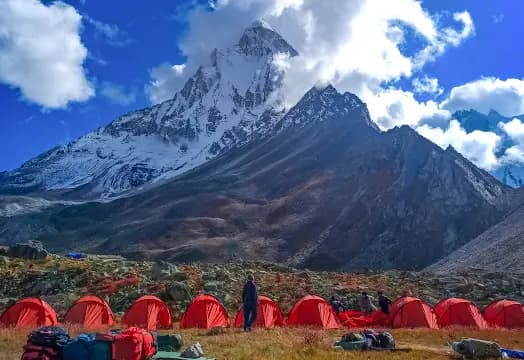
Trek to the Holy Glaciers: Gaumukh Tapovan Trek Highlights
There are, and there will be, countless journeys that you will go on throughout your lifetime, but only a few of them are going to stay close to your heart, and one of them will be the ‘Gaumukh Tapovan Trek’. A journey that will not only challenge your body, but it will also touch your soul. This 8-day journey will take you to the Garhwal region of Uttarkashi, where you will experience both adventure and spirituality in the mountains and gain a sense of peace in solitude.
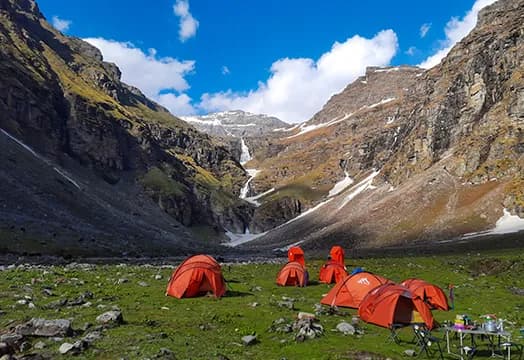
5 Reasons Why Rupin Pass Should be Your Next Trek?
Just like some heartwarming movies you keep rewatching, there are places you hope to visit every once in a while. Those places have their own magic that can’t be expressed in words but can only be felt while being there. So, to give you a similar kind of experience, we have a place to recommend for you all.
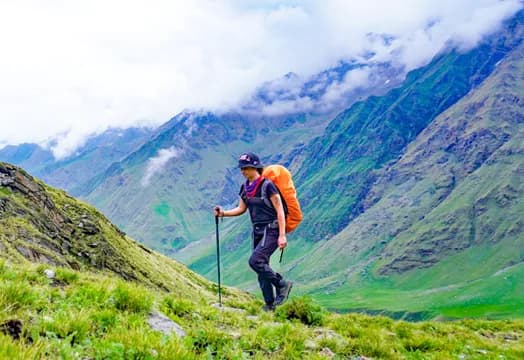
Why We Never Let Trekkers Go Without Trekking Poles — And You Shouldn’t Either
Walking on the rugged, unknown terrain of the mountains is one of those few experiences that makes you feel very different yet calming inside. But to achieve that feeling, not only do you have to plan a trip to the mountain, you are also supposed to carry gear and other things that are important for trekking.
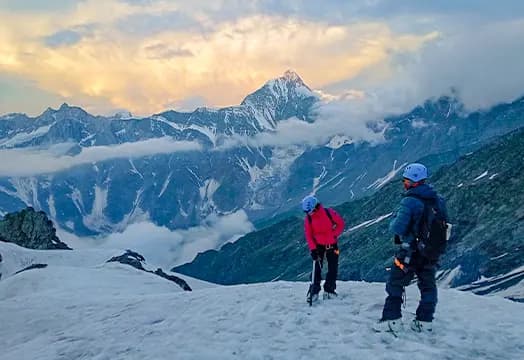
From Beginner to Challenging: Your Complete Guide to Expedition Grades
Standing at the base of any mountain, while staring at the peak of that mountain. A lot is felt by a trekker, from feeling stunned, admiration, to a quick rush of adrenaline, to scared, and then self-doubting yourself, asking - Can I really do this? When a trekker starts climbing a mountain, it’s not just always about claiming the peak. Often, trekking is more about learning and getting to know the mountains. After getting familiar with the mountains, you start understanding the challenges the mountains carry within themselves, and then you start ascending accordingly.
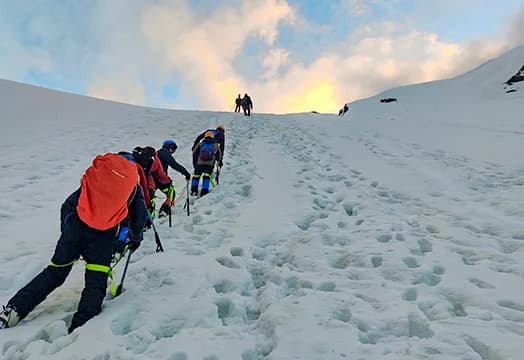
The Ultimate Guide to Expedition Grades and Techniques
In general, trekking in the mountains is always categorised as either climbing or walking on the mountain trails. But what a lot of people don’t realise is that with each different grade of expedition, the techniques of climbing and walking on the mountains also change. The thing is that to climb some high grade of mountains, more than basic skills and techniques of climbing are required to learn. In fact, the ‘technical climbing’? It is not just for high-grade level mountain expeditions; this kind of technical knowledge is quite useful even in the easy graded expedition to ensure the safety of the trekker throughout their trek.
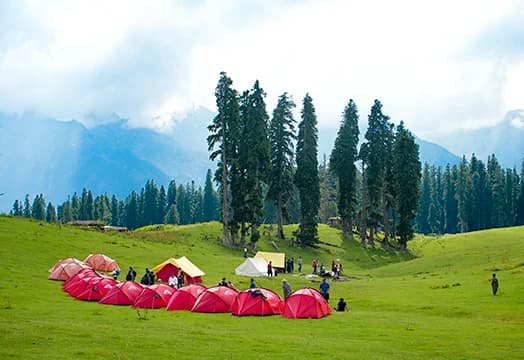
Why You Should Choose Trek the Himalayas Over Other Trekking Companies
Planning a trip is not an easy task, and when it comes to the mountains, a lot of factors need to be considered from a trekker's perspective. And when you are surrounded by all the hustle and bustle of life, planning a trip seems like too much work, right? Well, that’s exactly where trekking companies come into the picture. From booking to planning and ensuring that you receive a once-in-a-lifetime Himalayan experience, they make sure to make all these things happen. Now, after deciding that you want a trekking company to plan your trek, it’s time for you to pick the best trekking company in India to curate the itinerary for you. See, in today’s time, there are so many trekking companies out there who are ready to plan, manage, and guide you at every step of your journey, but who is best among them? That’s the real question. As a trekker, you might have thought several times, " Which company will truly help you out to become prepared for the Himalayas? Will they keep safety, food, and things like hygiene as their priority? Or if you are a female trekker, will it be safe and comfortable for you to trek with them or not?” And so on. These are exactly those points that draw a true comparison between Trek The Himalayas (TTH) and other trekking companies, viewing things from a trekker’s lens.
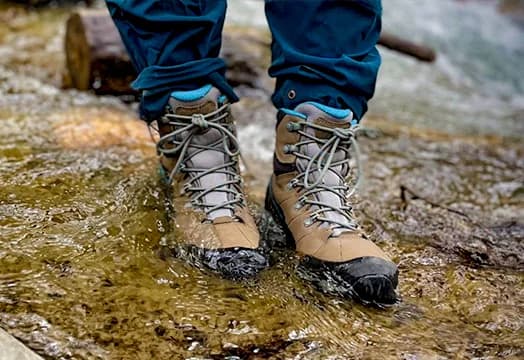
Your Ultimate Trekking Shoes Guide to Trek the Himalayas
There is one question that every trek leader asks their trekkers when they first meet them: Do they really understand the importance of trekking shoes for their trek? And usually, trekkers answer that they protect their feet, which is true. But do trekking shoes really help your feet in just “protection” and nothing else? Well, that is exactly what our trek leader (name) is going to enlighten us all about. First and foremost, it's essential to understand that trekking shoes are the foundation of a good trekking experience. If you are not carrying good quality shoes, then no matter how confident, strong, or motivated you are. You are bound to slip or slow down while walking on your trek. And as someone who has spent years climbing up and down the Himalayan trail several times. There is one thing that he said with complete certainty: The right trekking shoes can make or break your trek.
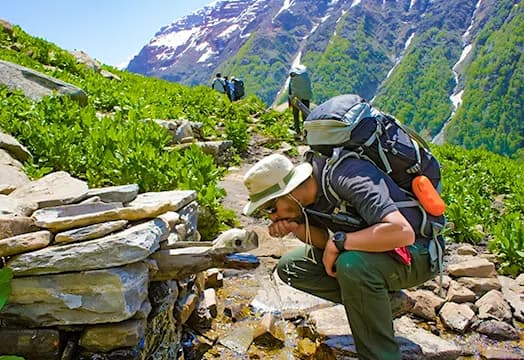
Hydration Can Make or Break Your Trek: Trek Leader’s Tips for Every Season
The main highlight of any trek journey will always be either the places you get to explore or the views that you will get to witness only once in your life. But to explore and experience all that scenic beauty, you must remain safe and healthy, which can be possible only if you do the proper intake of nutrients, and most importantly, of all consume water in a perfectly adequate amount. It’s an obvious yet the most ignored fact that Hydration is very important for trekking, it’s like the backbone of the whole trip. Which is why every trek leader’s first question at the start or end of their trek is - How much water did you drink today? Half of the time, the pattern of the answer remains the same, where some of them just give sheepy smiles, some tell numbers but are in doubt, and some of them have no idea whether they have drunk it at all or not.
Pro Tips to Defeat the Winter Cold: Essential Guide by Trek Leader
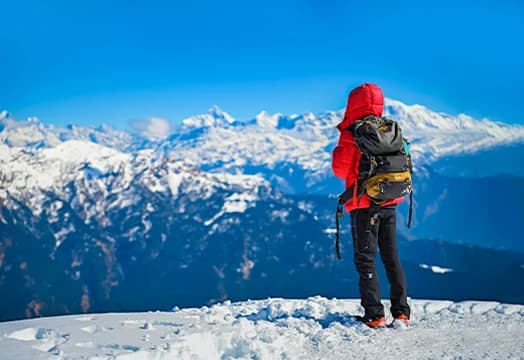
Every year, hundreds of trekkers go on a winter trek specifically to enjoy and witness the snow-covered landscapes, stunning panoramic mountain views, and experience the serene beauty of nature. However, as they focus more on the enjoyment aspect of their journey, they sometimes overlook small details while preparing for their winter trek adventure. And the most missed details by trekkers are - not equipping themselves properly with winter trekking essentials, which will help them in staying warm during a winter trek. I mean, we all know that cold never suddenly comes in; it slowly starts creeping into the weather. When you are wearing your socks, at first you will feel chills in your body, then when you stop moving, a warmth will settle, and as you keep progressing in your trek, you will also start feeling colder. In one moment, you’re admiring frost-covered tree views, and in the other, you will be wondering why your fingers have started feeling numb suddenly despite wearing gloves.
Essential Tips for Staying Hydrated on Winter Treks
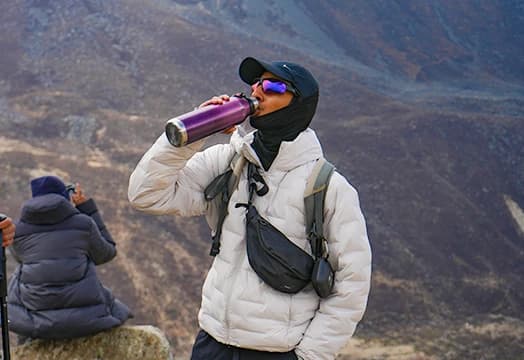
Hydration plays a vital role in ensuring a safe and successful Himalayan trek. Whether you're adjusting to altitude or braving cold winter conditions, staying hydrated is key to maintaining physical performance, cognitive function, and overall well-being. Dehydration can lead to muscle cramps, cognitive impairment, and increased risk of altitude sickness, among other issues. In winter treks, hydration challenges such as reduced thirst, freezing water sources, and respiratory fluid loss become prominent. This article explores the importance of hydration, tips for staying hydrated in winter treks, and practical strategies like using insulated water bottles, monitoring fluid intake, and balancing electrolytes to ensure an enjoyable, well-hydrated trek.